




AI key takeaways
The tech power acronym has pivoted from FAANG to MANGO, signaling that markets now value AI-first enterprise leaders over hardware incumbents like Apple
Apple’s deal to license Google’s AI for “Siri AI” confirms its failure to build competitive proprietary intelligence, forcing it to outsource core innovation.
Offering choice in AI providers shatters Apple’s decades-long doctrine of curated control, exposing the company’s inability to dictate the best user experience.
With its software edge eroding, Apple is retreating to hardware design as a final moat, though recent high-profile talent departures leave even that standard vulnerable.


On June 8, 2026, a software engineer posted four words on X: “It’s not FAANG anymore. It’s MANGO.” MANGO stands for Meta, Anthropic, Nvidia, Google, OpenAI.
Who is missing? FAANG had an A for Apple. In MANGO the A went to Anthropic, a company that didn’t exist when Apple was the most valuable name in technology. People on industry forums started saying it out loud: Apple has no business on the list.
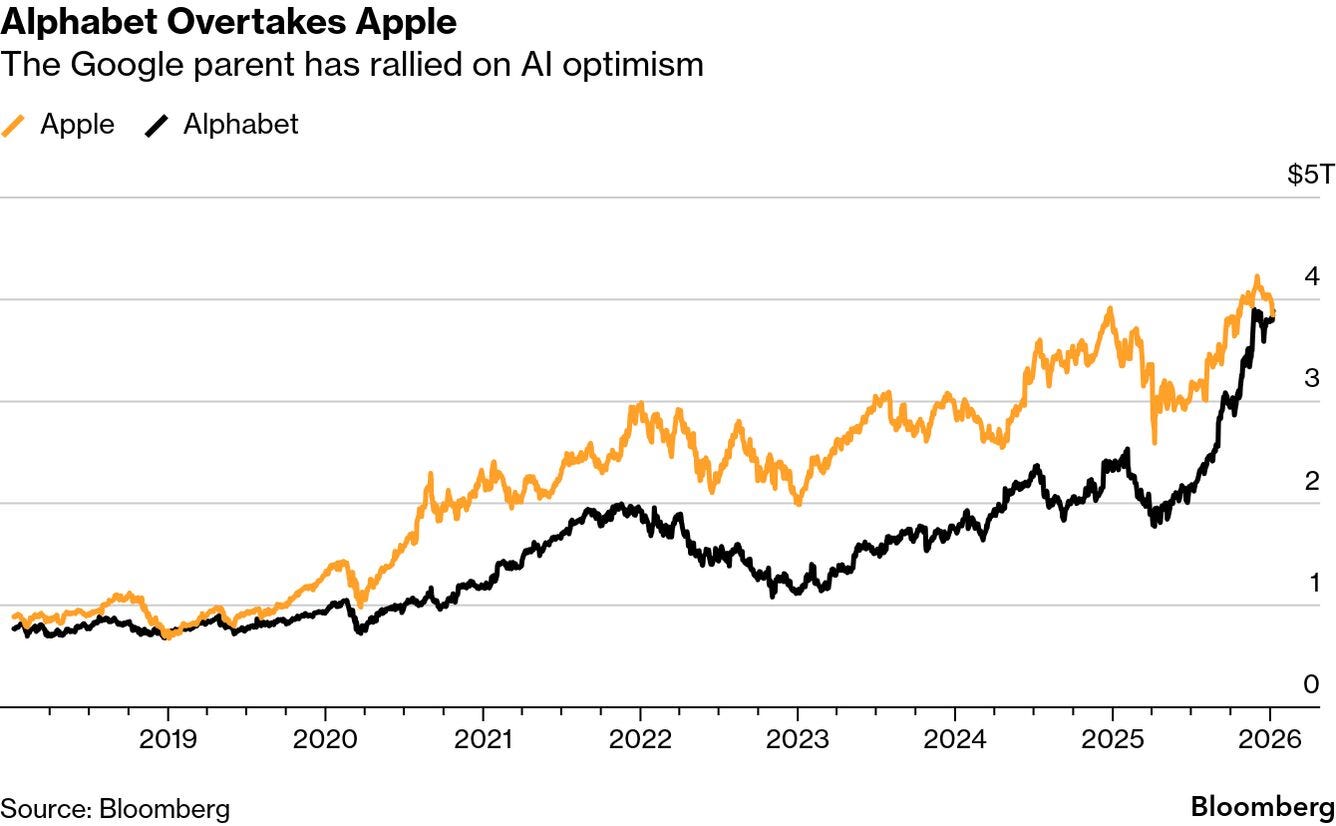
This is a signal of who the market thinks is leading, and the people writing the new list rewrote it without Apple. For thirty years Apple’s entire role was to be the company everyone else copied. Then the AI race started, and Apple stayed more and more silent.
Investors are currently penalising companies heavy on consumer hardware (like iPhones) in favour of enterprise data center networks (like Google and Nvidia). Google Cloud’s enterprise contract backlog exploded to over $460 billion in the first half of this year, proving its enterprise AI tools are making real money.
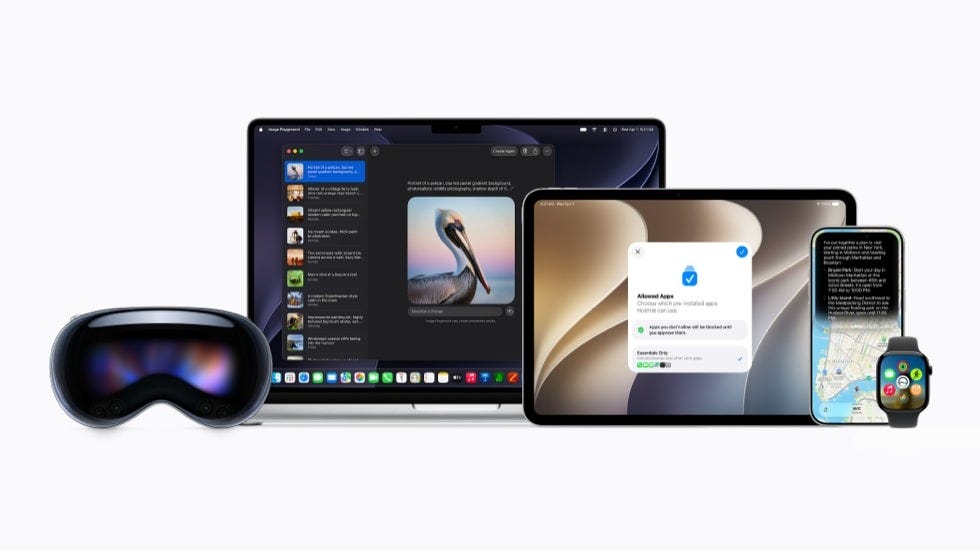
The reason is what Apple did at WWDC the same week. It unveiled a rebuilt Siri, now called Siri AI, and the intelligence running it comes from Google. Apple licensed a custom model from Google, reportedly paying around a billion dollars a year, and runs it inside its own data centers. Apple’s own statement said Google’s technology “provides the most capable foundation” for its products. The most vertically integrated company on earth, the one that builds its own chips, its own operating systems, its own everything, decided it was cheaper to rent intelligence than to build it.
From a direct rival.

It even shopped the deal like a buyer. Before settling on Google, Apple evaluated Anthropic, which reportedly would have cost about a billion and a half a year. A company that comparison-shops its core technology and takes the cheaper bid is behaving like a buyer, not like the firm everyone else takes its cues from.

It’s giving consumer behavior.
Apple is reportedly weighing a Siri that lets you pick the brain behind it. Google’s Gemini as the default, Anthropic’s Claude as an option, OpenAI’s ChatGPT as another.
Everyone is reading this as Apple opening up. Of course it is not, and to see why you have to remember what Apple actually is. Apple is the company that decided choice was the enemy. Jobs built a doctrine around owning every layer of the experience, the silicon, the software, the box it ships in, the store you have to enter to buy it, so that by the time the product reached you, every hard decision had already been made for you.
People paid a premium for it precisely because Apple took the wheel.
So when this company, of all companies, says you can pick your own AI model, read it as what it is: a concession. Apple cannot tell you which intelligence is best, because it couldn’t build one worth betting the experience on. So it does the single thing its entire philosophy was built to avoid and hands you the decision, and calls it a feature.
The company that taught the world that taste means deciding for the user just admitting it can’t lead.
In January 2026, Google passed Apple in market value for the first time since 2019. A note: Google already pays Apple roughly twenty billion dollars a year to stay the default search engine on the iPhone, used to finance Apple’s research department, and now Apple funnels a slice of that straight back to rent Google’s brain.
And this came after Apple missed its own deadline by two years. The personalized Siri that needed all this firepower was promised at WWDC 2024. Apple ran ads for it, remember? Then it slipped through 2025 and into 2026, until the company had to outsource the fix to the competitor it spent a decade claiming it didn’t need.

So where does that leave Apple? With one moat: taste.
The hardware-software weave, the feel of the device, the Liquid Glass design language it shipped this year. Design and integration are the last place Apple still sets the standard.
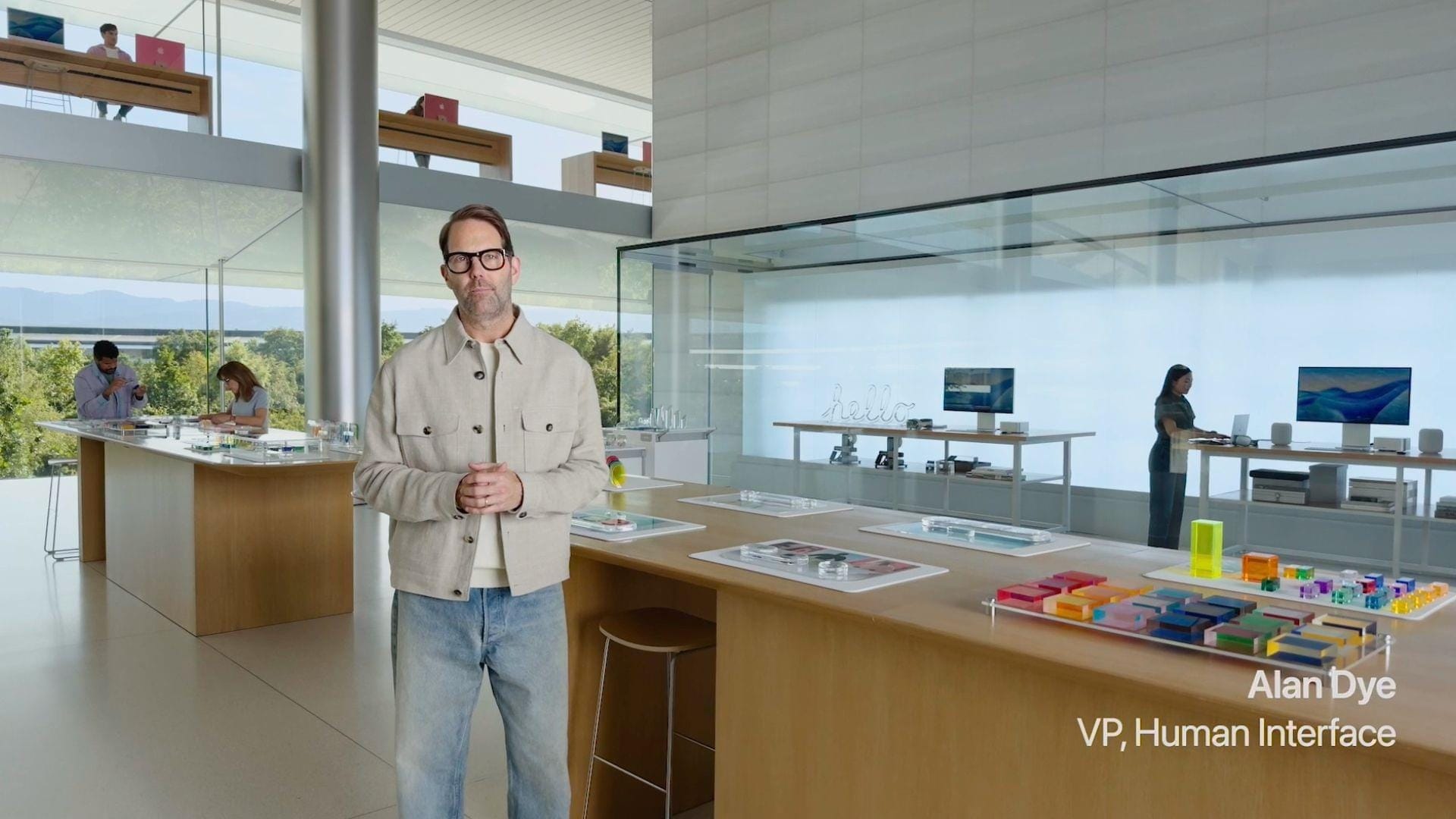
Except that’s leaking too. In December 2025, Alan Dye, who ran Apple’s interface design for a decade and built Liquid Glass itself, left for Meta to lead a new design studio. So in a single stretch of months, Apple agreed to rent its intelligence from Google and watched the person responsible for its taste walk to a competitor. It is outsourcing the one thing it fell behind on and exporting the one thing it still leads on.

For three decades Apple’s job was to show everyone what the next thing would look like and feel like. The rest of the industry waited, then copied. In the AI era that relationship inverted. Apple now licenses the next thing from Google and loses the people who made its products feel like Apple products to the companies building the future without it.
Read the acronym as a status report rather than an insult: Apple’s focusing on hardware, maybe a bit too much at the investors’ taste. Liquid Glass is their remaining bet: design, the same bet this whole shift is pushing every serious company toward. It had better hold that one, will see how it goes.
NA: AI-assisted tools were used for transcription, reference formatting, and language editing. All intellectual content and conclusions remain solely the author’s.
It's interesting how Apple are portrayed as missing the boat, but they actually have a very strong contribution on the hardware side. The mac pro is the favoured device for self-hosted AI, and in great demand.
The main thread of your article - that Apple hasn't offered a product - is solid; but I do wonder: has anyone else? The MANGO gang are speculating that data centres are the way forward, but what product requires that?
Here is the main dilemma for AI: what value does the data centre provide which an iPhone cannot?