


This article is the first of a four-part analysis of the rise of ecosystem thinking in tech:
PART 1 / The rise of ecosystem thinking
PART 2 / Apple’s ecosystem across time: designing for tomorrow - Liquid Glass
PART 3 / Meta’s ecosystem independence: breaking free from smartphones - Wearables
PART 4 / Google’s ecosystem leverage: embedding AI in existing products - Gemini


Platform strategy died somewhere between ChatGPT’s launch and Apple shipping interfaces that deliberately make text harder to read.
For twenty years, tech companies competed by controlling chokepoints: app stores, search engines, operating systems. Build the best individual product, control distribution, extract rent. Users came to you. That model assumed they’d keep coming. AI eliminates the assumption. When users describe intent and systems route requests without opening apps, the value of controlling any single destination collapses. The platform that owned search traffic loses relevance when users never visit the search page.
Three companies responded with fundamentally different strategies. Apple integrates through time. Meta integrates through hardware. Google integrates through software depth. Surface execution differs completely, but underneath, the logic converges. Integration depth beats point-solution excellence. And more than that: all three strategies bet on behavioral shaping. Not building technology and hoping users adapt. Building technology that works with how humans actually behave, then using that compatibility to establish new patterns that become standard.

Platform-era ecosystems controlled distribution. AI-era ecosystems shape behavior.

What unites them
Platform-era ecosystems controlled distribution through hub-and-spoke architecture. Users came to central point and that control generated downstream leverage. AI-era ecosystems shape behavior across different dimensions. Apple trains future interactions into current users. Meta fragments computing across devices matching specific behavioral contexts. Google embeds intelligence into existing habits.

The competitive advantage isn’t building better AI, but understanding which behaviors users already have that technology can leverage, which behaviors need deliberate training, which behaviors users will accept if convenience is high enough.

What differentiates their strategies
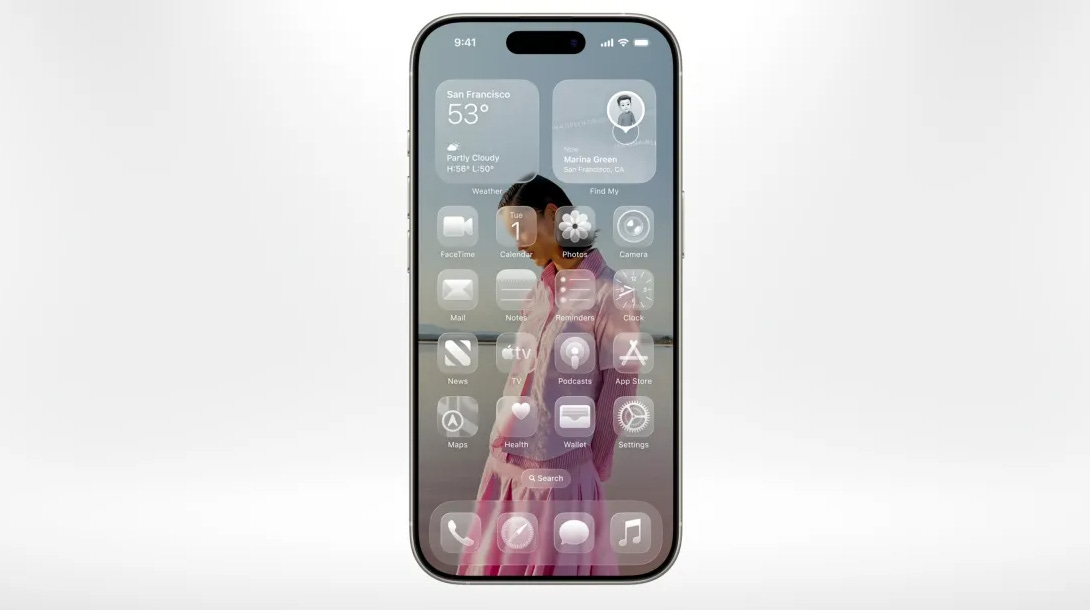
Apple’s Liquid Glass
Apple’s temporal integration means current products prepare users for future ones through behavioral conditioning they’ve executed before. Touchscreen gestures weren’t intuitive until iPhone made them standard. Liquid Glass refractions aren’t intuitive until millions practice daily. By the time competitors catch up technically, the interaction already feels natural to Apple’s users.

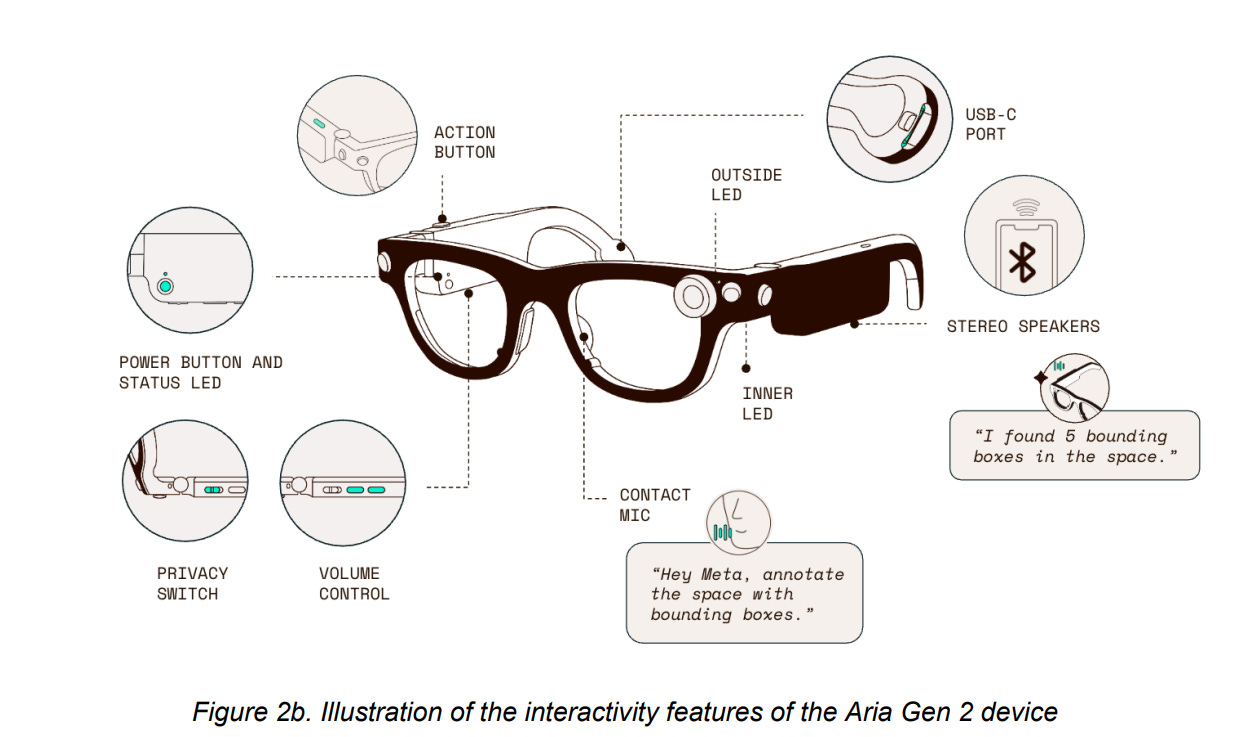
Meta’s wearables
Meta’s physical integration means devices match behavioral contexts. Glasses for seeing and hearing. Wristbands for gesture. Headsets for immersion. The ecosystem succeeds if the device-to-behavior mapping feels natural enough that coordination happens invisibly. They’re not training new behaviors. They’re discovering which existing ones can be technologically leveraged.

Google’s Gemini
Google’s software integration means intelligence appears in existing behavioral patterns. Users already search, already ask questions, already manage email. Make those activities AI-powered without forcing new habits. The challenge is understanding where AI visibility feels helpful versus invasive, where users want explicit control versus invisible automation.

Different dimensions of integration. Same underlying thesis. Behavioral compatibility beats technical superiority when capabilities commoditize.

What this means for designers
The craft challenge fundamentally changed, and the change centers on behavioral understanding rather than interface polish.

Designing for Apple
Designing for Apple’s temporal ecosystem means accepting that current usability suffers for behavioral training. You’re not optimizing today’s task completion. You’re building muscle memory for interactions that don’t make sense yet. Success requires conviction that the brand can absorb negative reception and that the pattern you’re training will become standard. You’re designing for 2030, shipping in 2025, accepting the friction between those dates.

Designing for Meta
Designing for Meta’s hardware ecosystem means mapping capabilities to behavioral contexts. Which actions feel natural on wrist versus face versus headset? The same functional capability (sending a message) requires completely different interface expressions depending on which device matches the user’s current behavioral state. You’re not designing features for a product, but for behavioral fragmentation where the system routes capabilities to appropriate form factors based on context.

Designing for Google
Designing for Google’s software ecosystem means understanding behavioral boundaries around AI visibility. Where does AI assistance feel helpful versus invasive? Where do users want control versus automation? Where should intelligence be explicit versus invisible? The technical capability exists to make AI omnipresent, the design challenge is determining where omnipresence creates value versus discomfort.

The common thread
Ecosystem design assumes users won’t learn your specific interaction model. Intelligence must adapt to existing behaviors, or train new behaviors so gradually users don’t consciously notice the shift.
Platform-era design optimized individual applications. You built the best possible experience within your app’s boundaries. Ecosystem-era design assumes users won’t visit your app. Intelligence surfaces wherever they already are.


Raymond Loewy called it the MAYA principle: Most Advanced Yet Acceptable. Give people the most sophisticated thing they’ll actually use, not the most sophisticated thing that exists. VHS defeated Betamax not through technical superiority but behavioral fit. Two-hour recording capacity meant you could capture a football game without changing tapes. Good enough quality with better convenience won the format war.
Ecosystem competition operationalizes MAYA at platform scale through different mechanisms. Apple makes future interactions acceptable by training them into users before they’re required. Meta makes multi-device computing acceptable by solving form factor and letting intelligence handle coordination. Google makes AI acceptable by embedding it into workflows users already trust.
The platform era rewarded the company building the best single component. Ecosystem era rewards the company making everything work together with least friction.
Not the smartest AII, the most accessible one. Not the highest resolution display, the interface requiring least conscious adaptation. Not the fastest processor, the chip optimized for your specific use case because you designed silicon, operating system, and applications simultaneously.
Technical capability is necessary but insufficient. The ecosystem era rewards understanding how humans actually behave, then building integration that works with those patterns rather than against them. Different companies chose different integration dimensions. The underlying logic converges: behavioral compatibility determines adoption.

Read next:
PART 2 / Apple’s ecosystem across time: designing for tomorrow - Liquid Glass
PART 3 / Meta’s ecosystem independence: breaking free from smartphones - Wearables
PART 4 / Google’s ecosystem leverage: embedding AI in existing products - Gemini