


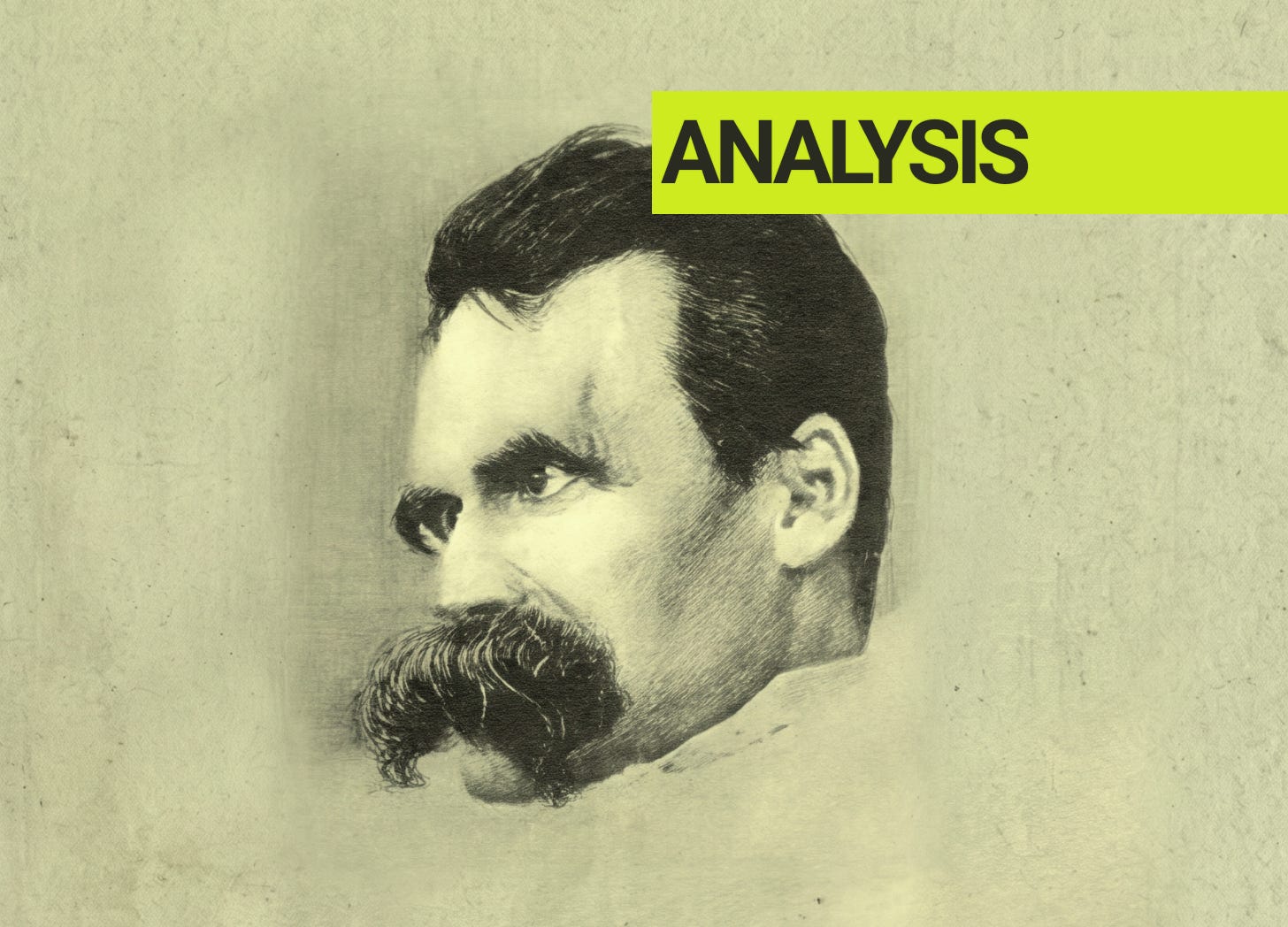
“The last man liveth longest.”
Friedrich Nietzsche, Thus Spake Zarathustra, trans. Thomas Common

AI Key Takeaways
The tech figures who frame body hacking as becoming more than human live by a code that matches Nietzsche’s portrait of the Last Man, the figure Zarathustra holds up for contempt.
Body hacking carries the hacker ethic from computers to the body, with the same faith in taking a system apart and improving it.
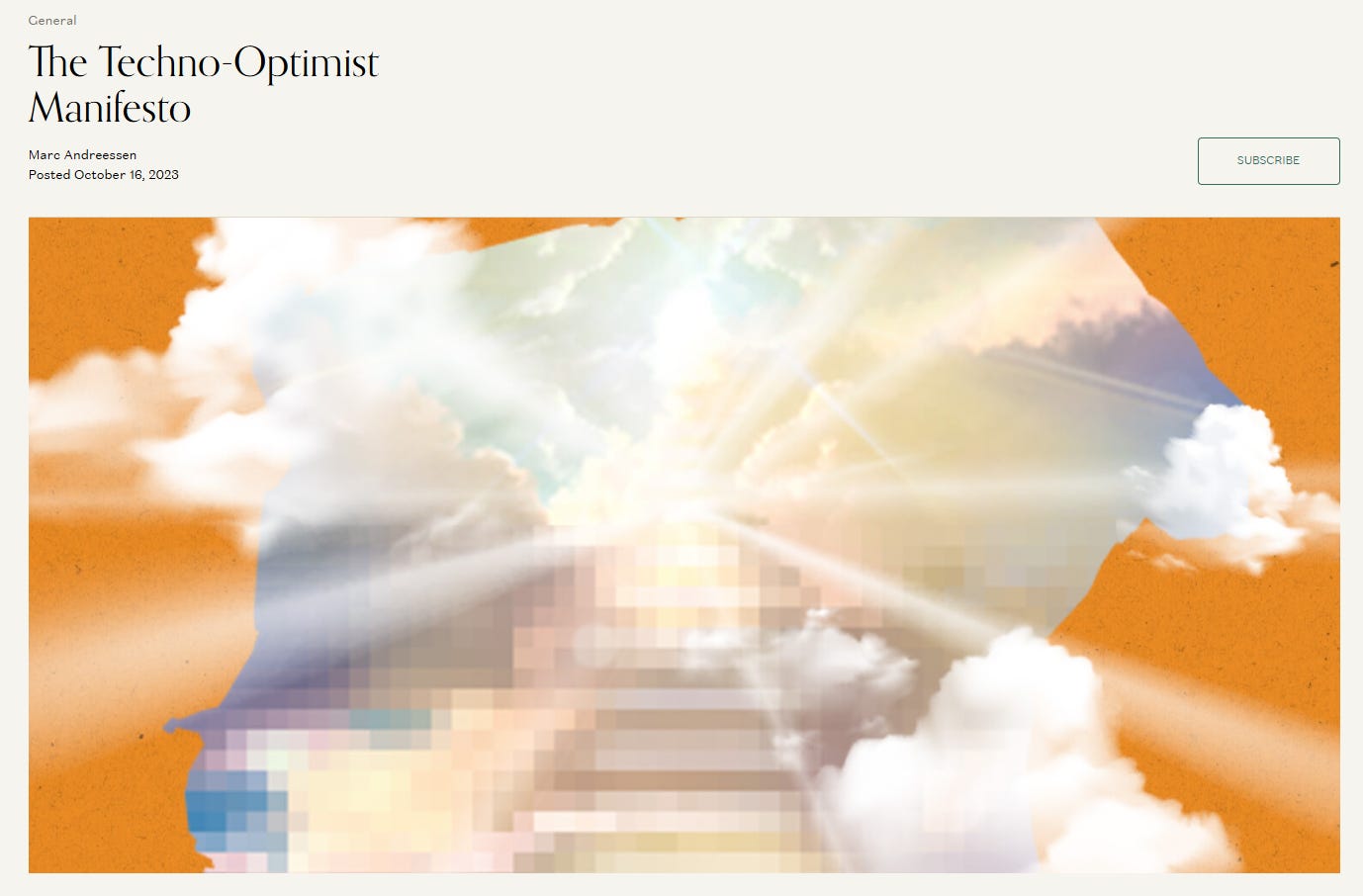
Andreessen’s manifesto lists Nietzsche among its patron saints and names the Last Man as its enemy, in a text that repeats “we believe” 113 times.
Nietzsche’s Last Man lives longest, walks warily and keeps “a regard for health”, and Nietzsche specialist Patrick Wotling says the techno-optimists bow before that horizon.
Bryan Johnson describes handing authority over his life to an algorithm, and his own lead doctor has said the program has produced no striking results.
In October 2023, the venture capitalist Marc Andreessen published a manifesto that lists Friedrich Nietzsche among its “patron saints” and gives one section the title “Becoming Technological Supermen”. The same text names its enemy: “Friedrich Nietzsche’s Last Man”.
The tech figures who carry this ambition into the body describe themselves as engineers of a better human while their method comes from software.
Their values come with it:
measure the system,
log everything,
correct it,
repeat.
The misunderstanding is total
Nietzsche’s philosophy heavily champions chaos, individual struggle, and the organic, unpredictable flow of life (the “will to power”). From a Nietzschean view, trying to engineer, optimize, and completely control society through rigid technological systems is a symptom of weakness and paranoia rather than true strength.


“It’s about hacking your meat operating system.”
In Hackers: Heroes of the Computer Revolution, Steven Levy write about the hacker ethic. Its first plank tells hackers always to yield to the “Hands-On Imperative”. Levy explains it as a belief that “essential lessons can be learned about the systems” by “taking things apart, seeing how they work”.
Two other planks complete the stance:
“Mistrust authority” and “Computers can change your life for the better.”
That’s how Body hacking applies that stance to flesh. Dave Asprey, the former tech executive known as the “Father of Biohacking”, sums up the practice in one line: “It’s about hacking your meat operating system.” Asprey has spent $2 million and two decades researching biohacks. He has run electricity through his brain. He slept in a bath of ice packs that left first-degree burns over 15 percent of his body. He says he is certain he will live to 180.
“I’ve always been a futurist. Biohacking is going to disrupt medicine, because you won’t need as many doctors.”
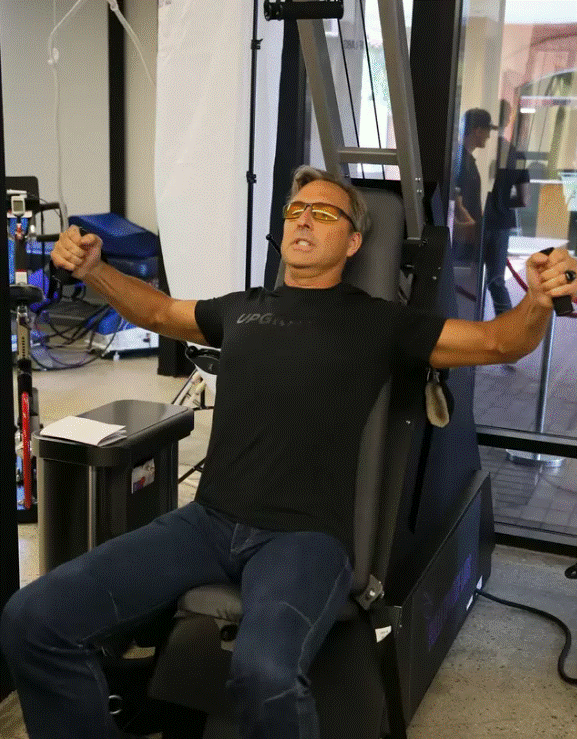
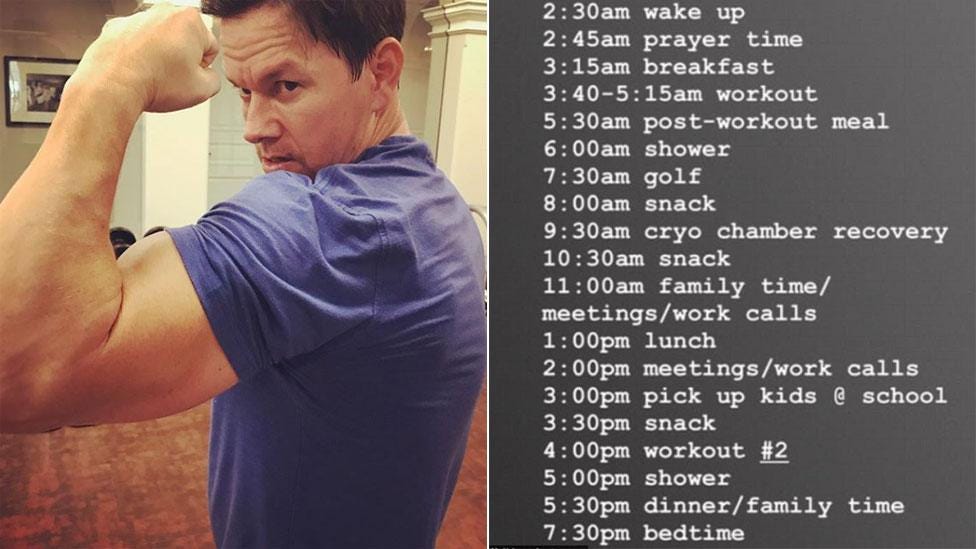
Bryan Johnson brings the same logic to its most systematic form. He started Braintree and sold it to PayPal in 2013 for $800 million. His regimen, Blueprint, costs a reported $2 million a year. It runs “about 100 or so protocols at any given day”, with bedtime at 8:30 p.m. He describes the arrangement as a transfer of command: “I’m going to put my body in charge of me.” Asked whether he takes breaks, he answers: “I don’t desire cheat days.”
“We built an algorithm that takes better care of me than I can myself.” Bryan Johnson, Fortune, 2023
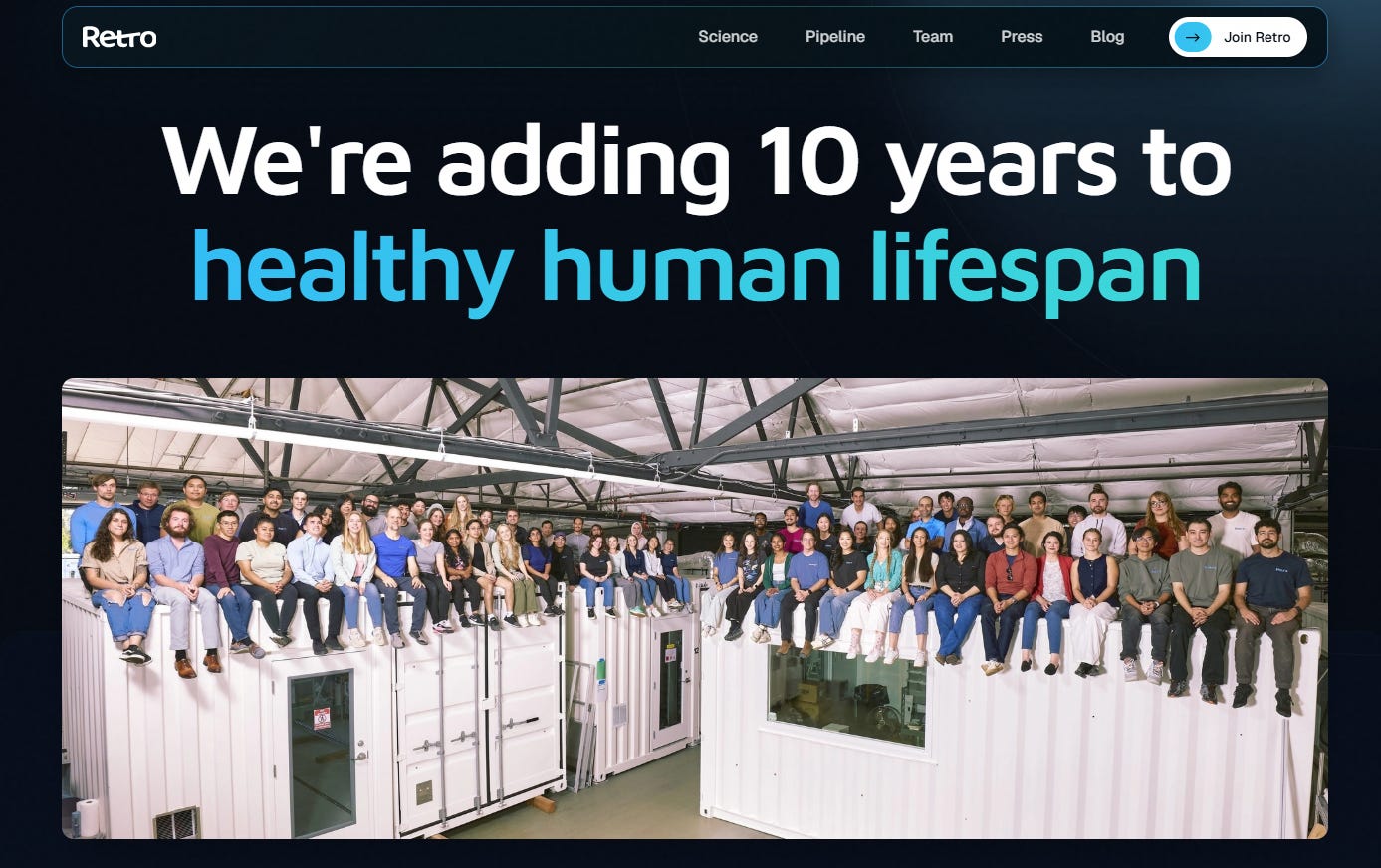
The capital comes from tech. Sam Altman put $180 million into Retro Biosciences, a startup that wants to “add 10 years to the average human life span”. The cryptocurrency billionaire Brian Armstrong started the biotech company NewLimit. There’s also Altos Labs, formed with a claimed $3 billion, from investors reported to include Yuri Milner.

The overman becomes a creed and a cult
Nietzsche’s Zarathustra demands that “Man is something that is to be surpassed.” He describes the human as a rope stretched between animal and overman, and the EBSCO reference entry on the Übermensch reads the image as a bridge to a new form of human, reached through self-overcoming.
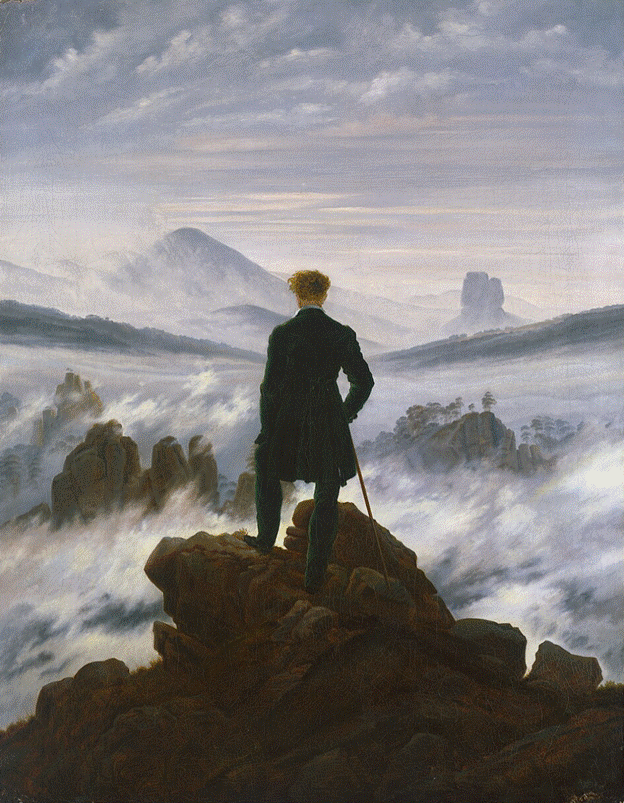
It is reminiscent of the transhumanists. In 2009, the philosopher Stefan Lorenz Sorgner argued that “significant similarities between the posthuman and the overhuman can be found on a fundamental level”: both rest on a dynamic view of human nature, and Nietzsche’s self-overcoming parallels the transhumanist drive to self-enhancement.
Sorgner adds that the overhuman offers a meaning that is “earthy, immanent” and “appropriate for scientifically minded people“, a replacement for the Christian afterlife.
Sorgner’s point about meaning explains the tone of the movement. Andreessen’s “Becoming Technological Supermen” section opens: “We believe that advancing technology is one of the most virtuous things that we can do.”
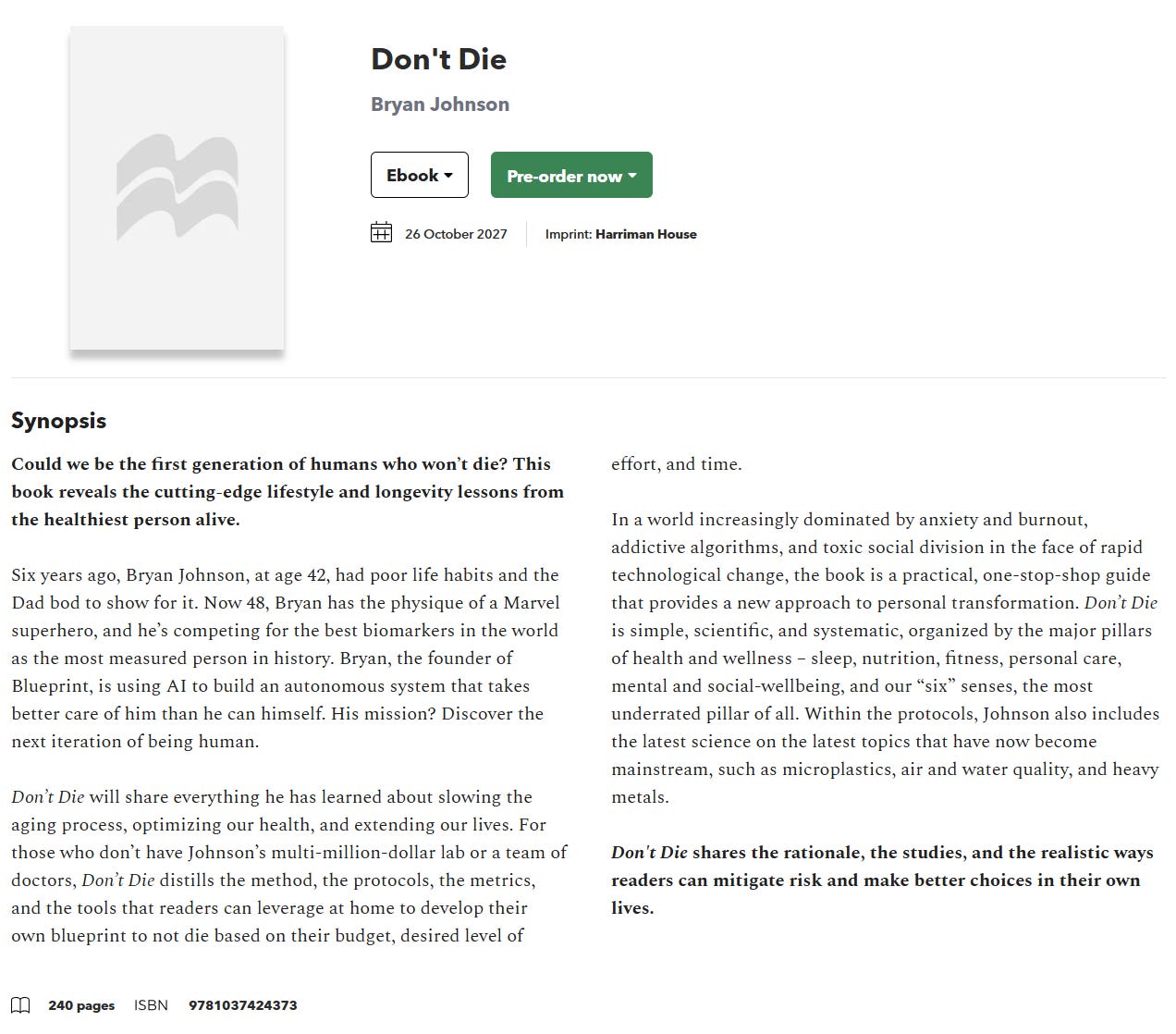
Henry Farrell, writing on Crooked Timber, counted the words “we believe” 113 times in the text. He called it “an apostolic credo for the Religion of Progress”. Johnson’s book carries a commandment as its title: Don’t Die. His publisher presents him as “the most measured person in history” with “the physique of a Marvel superhero”.
In both texts, the vocabulary of faith attaches to the vocabulary of measurement.

A Last Man with a dashboard
“The earth has become small, and on it hops the Last Man, who makes everything small.”
– extract from Nietsche’s Zarathustra, quoted by Andreessen in his manifesto to describe his opponents.
In Thomas Common’s translation, “the last man liveth longest”. The last men consider “turning ill and being distrustful” sinful, so “they walk warily”. Again with the semiotic analogy between religion and health. They work but “one is careful lest the pastime should hurt one.” And “they have their little pleasures for the day, and their little pleasures for the night, but they have a regard for health.”
A program built to extend life, a bedtime fixed at 8:30 p.m., a hundred daily protocols and no cheat days describe a life organized around regard for health. The figure Zarathustra calls the most contemptible is the one who lives longest, and a book called Don’t Die takes that outcome as its whole program.
“The last man liveth longest.”
Friedrich Nietzsche, Thus Spake Zarathustra, trans. Thomas Common

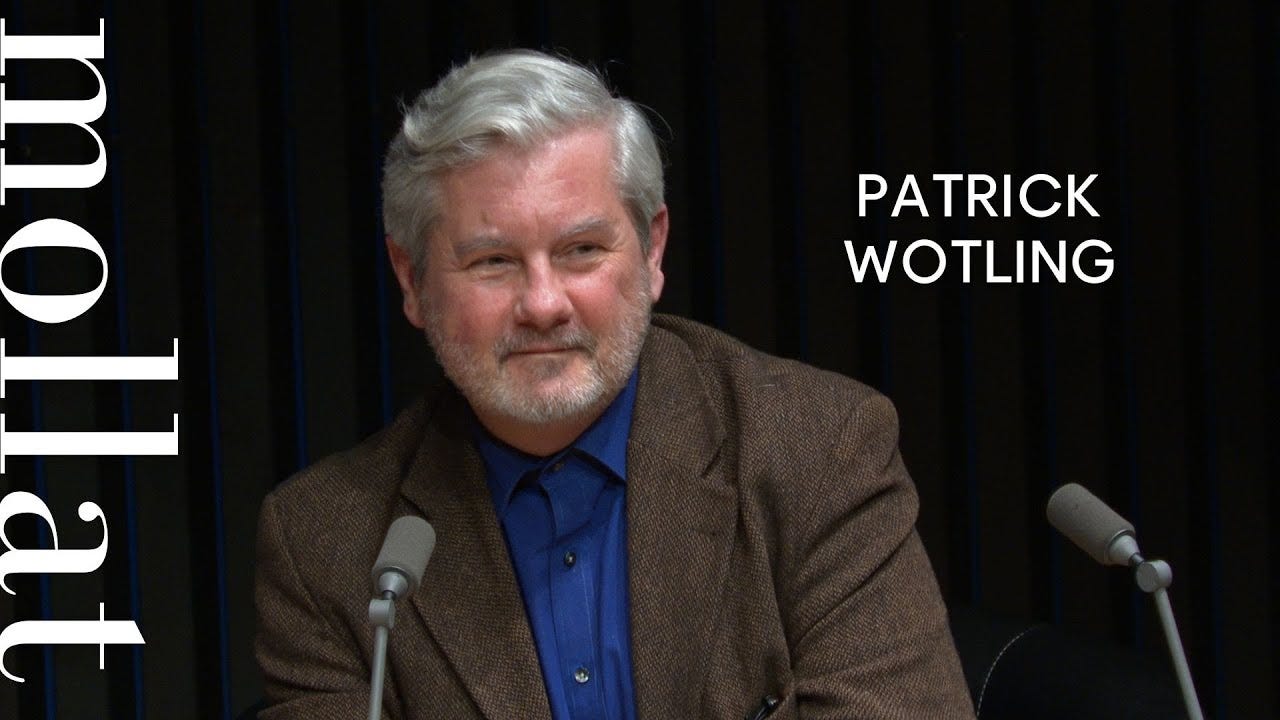
Patrick Wotling (one of the best French-speaking specialists of the philosopher) interviewed in Le Grand Continent, called the manifesto “a festival of misreadings and distortions”.
By seeking to abolish scarcity, suffering and the tragic through technology, he argued, the techno-optimists bow down before the horizon of the Last Man. He added that Nietzsche criticized the prostration before the instruments of the modern organization of work, and that the techno-optimists propose exactly that prostration before technology.
The self that was meant to be surpassed hands its authority to the body’s readings and to an algorithm that, in Johnson’s phrase, “takes better care of me than I can myself”.
Their goal is certainly not to be faithful to Nietzschean thought, but rather to have an intellectual endorsement that can—if one does not look too closely—give the impression that there are intellectuals on their side.
NA: AI-assisted tools were used for transcription, reference formatting, and language editing. All intellectual content and conclusions remain solely the author’s.