



In this article, I entertain the scenario of a bilateral accord between Ukraine and France to prioritize building AI infrastructures, thus preserving France’s digital sovereignty and relevance in a global tech race it cannot finance by itself Today, while offering Ukraine the nuclear shield against Russia.
At my own surprise, the math work.


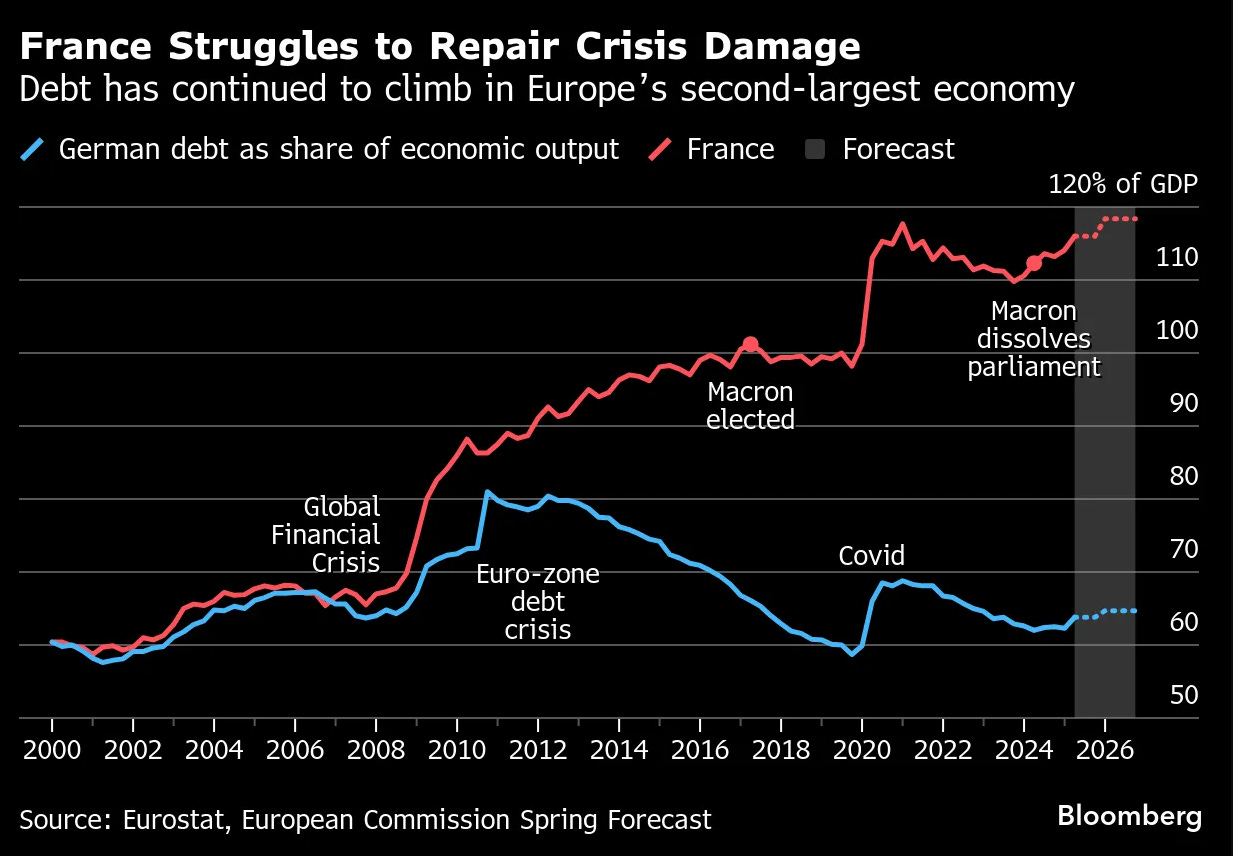
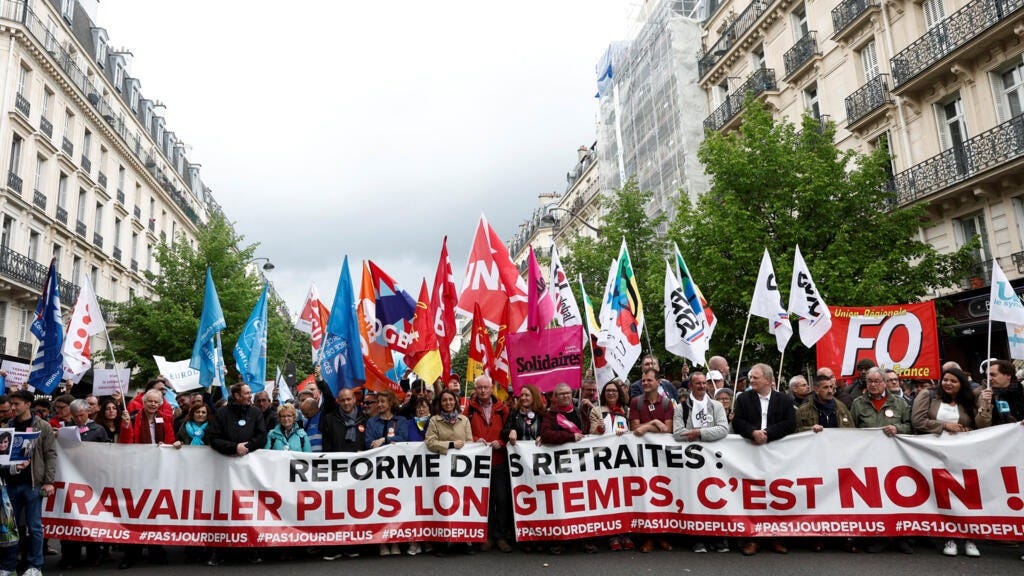
France spends €55 billion annually on pensions. The deficit runs €5 billion now, €15 billion by 2035, €30 billion by 2045. When the government raised retirement age from 62 to 64 in 2023, strikes paralyzed the country for months before the reform got suspended until 2028. No politician will touch it again. Everyone knows the mathematics don’t work.
The productivity growth that might close this gap isn’t coming from traditional sources. Manufacturing shrinks as a share of GDP while Germany dominates what remains of European industrial production. Services work when they’re luxury goods and tourism, sectors that employ people but don’t generate the tax revenue to fund a social model built for industrial-era demographics. Meanwhile 15,000 engineering graduates leave every year for higher salaries elsewhere (I was one of them). Sixty percent of PhD graduates who work internationally don’t come back within three years, up from seven percent in the 1990s.
Now imagine what happens when AI displaces the knowledge workers paying into the pension system.
Not factory workers this time. Radiologists. Paralegals. Financial analysts. Marketing managers. Software developers. The entire middle class whose payroll taxes fund pensions and healthcare and public services. These people aren’t competing with cheaper labor in Bangalore anymore. They’re competing with AI that costs nearly nothing after training and never sleeps.
A radiologist looks at medical images and writes reports: AI does this now at comparable accuracy. The job doesn’t disappear immediately, but you need three radiologists where you needed ten. Pension contributions from seven radiologists vanish while pension obligations to all ten remain. Multiply this across every knowledge profession. The tax base supporting the social model erodes while obligations grow. You can’t tax AI companies effectively because they route profits through Ireland’s corporate rate or Dutch treaty networks. The global minimum tax that 137 countries signed falls apart when Trump withdraws American participation and the whole framework becomes another European regulation the world ignores.

The pension crisis is one symptom. The larger problem is that France is becoming economically irrelevant in a world reorganizing around computational capacity.

Vassalage
Losing AI sovereignty doesn’t mean France declines slowly over decades. It means France becomes a consumer market for American technology with no ability to shape development, deploy AI for national purposes, or resist when those controlling AI set terms.
The United States invested $109 billion in private AI funding last year. Twelve times what China spent, thirty-four times Europe combined. Meta alone operates more computing power than all of Europe.
When training a frontier AI model costs $60 billion by 2030, France’s entire AI budget becomes a rounding error. This isn’t academic. It determines whether French intelligence services can operate without American cloud infrastructure, whether French police can deploy surveillance without Chinese hardware, whether France can maintain autonomous defense systems or depends entirely on American satellites and American decision-making.
It determines whether France can regulate tech companies at all.
The EU AI Act took years to negotiate and achieved what? France gutted foundation model regulations to protect Mistral AI, then watched as the US and UK announced they’d deregulate anyway and European member states immediately signaled they’d weaken enforcement too.

Europe writes rules that American and Chinese companies ignore because Europe has no domestic alternatives to threaten them with. This is performative sovereignty. The appearance of authority without capacity to enforce it.
Real sovereignty requires infrastructure.
France has nuclear weapons, some satellite capacity, reasonable cybersecurity capabilities. It doesn’t have semiconductor production for advanced chips or AI compute clusters at scale. Without those, every French government decision depends on whether Amazon Web Services keeps the servers running, whether Nvidia keeps shipping GPUs, whether Microsoft maintains the cloud infrastructure French ministries run on. When interests diverge, France has no leverage. It can complain, write regulations, appeal to European solidarity that doesn’t exist. But it cannot act independently.
This matters for everything France promises its citizens.
The ecological transition requires massive computational capacity for grid optimization, materials research, climate modeling. You don’t run that on Chinese servers while maintaining national security, and you can’t afford American prices at scale. The social model requires tax revenue from productive economy. When American companies capture productivity gains from AI deployed on French workers, France gets the unemployment without the tax receipts. The healthcare system requires diagnostic AI, drug discovery algorithms, operational optimization: all of it runs on infrastructure France doesn’t control, at prices France increasingly cannot afford, under terms that change when American companies decide to change them.
Vassalage means your pension system depends on economic decisions made in California boardrooms.
Your hospital networks run on Chinese hardware. Your defense systems require American permission to operate. Your government cannot guarantee basic services because the infrastructure providing them belongs to someone else who can withdraw access, raise prices, or impose conditions whenever their interests require it.
This is the trajectory France is on right now. Not might be on in some dystopian future. Is on, today, accelerating.

The knowledge class faces displacement / the lost bet on ‘la societe de service’
The coming unemployment wave hits differently than previous ones.
Factory automation displaced manual workers over decades, slowly enough that some retrained, others retired, their children went to university instead of factory floors. The social compact held because knowledge work seemed safe: get educated, develop expertise, contribute to the economy through skill rather than muscle.
AI breaks this compact in years, not decades.
The legal associate researching case law, the junior analyst building financial models, the copywriter drafting marketing content, the programmer writing routine code, the accountant processing transactions. These jobs shrink or vanish as AI matches human output at fraction of the cost. Not blue-collar workers who can’t afford retraining, university graduates with professional credentials who did everything right and discover their expertise is now worth less than the subscription cost of the AI replacing them.
French unemployment among educated workers remains low now, but that’s backward-looking data.
The displacement is starting. Law firms reduce hiring of junior associates because AI does document review. Marketing agencies shrink copywriting teams because AI generates the content. Each firm maintains revenue while employing fewer people. Productivity rises, headcount falls, unemployment grows among precisely the knowledge workers whose payroll taxes fund pensions.

This creates different political dynamics than factory closures.
Blue-collar workers displaced by globalization could be blamed for not getting educated, not adapting, not having skills for modern economy. Knowledge workers did get educated, do have skills, and discover it doesn’t matter because AI does their job better and cheaper. The social compact promising education leads to security breaks completely.
France cannot retrain these workers into jobs that don’t exist yet.
Cannot tax AI companies capturing the value because they operate from jurisdictions France can’t touch, cannot maintain social model when the tax base supporting it shrinks while obligations grow. And cannot prevent this through policy because France doesn’t control AI development, doesn’t operate AI infrastructure at competitive cost, and has no leverage to demand anything from the companies deploying AI globally.
We are in war mode whether we acknowledge it or not.
Not tanks and artillery, but economic war where nations controlling AI infrastructure dictate terms to nations that don’t. France can fight this war by building independent capability, accept vassal status, or pretend it’s not happening while sliding toward irrelevance. Those are the options.


What Ukraine actually offers
Ukraine has territory.
Six hundred thousand square kilometers, much of it flat land suitable for building at scale. France is densely populated with environmental regulations and NIMBY resistance to any major industrial development: building ten gigawatts of data center capacity on French soil means fighting battles in dozens of communes, navigating years of permits, probably triggering lawsuits. Building the same capacity in eastern Ukraine means finding stable ground away from conflict zones and starting construction.
Ukraine has labor.
One hundred thirty thousand STEM graduates annually at salary expectations half French levels. These workers want European integration and stable employment rebuilding their country. France needs engineers in numbers sufficient to actually operate AI infrastructure, at costs that make the economics work rather than require permanent subsidies.
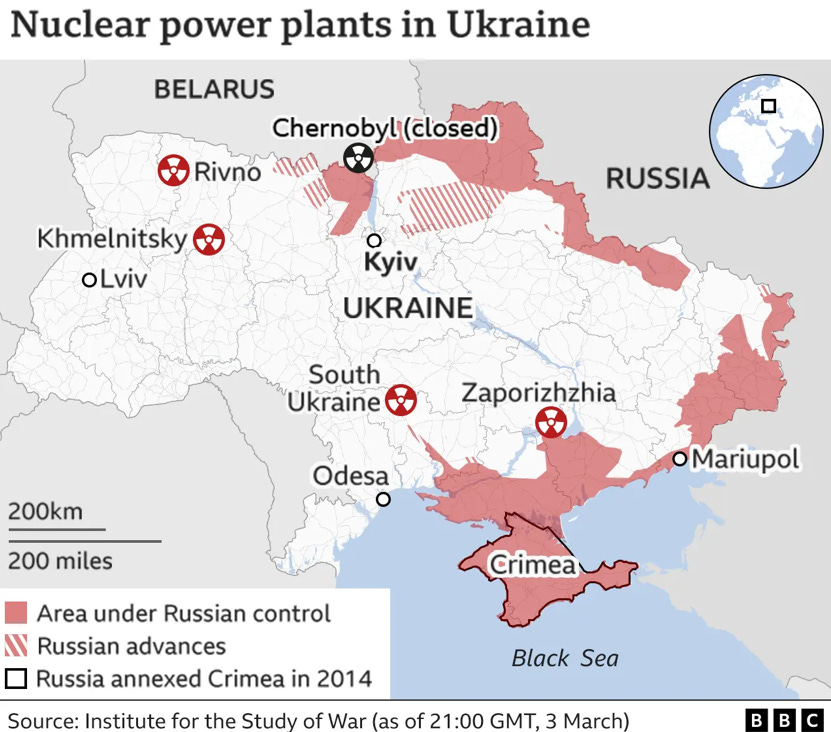
Ukraine has energy potential.
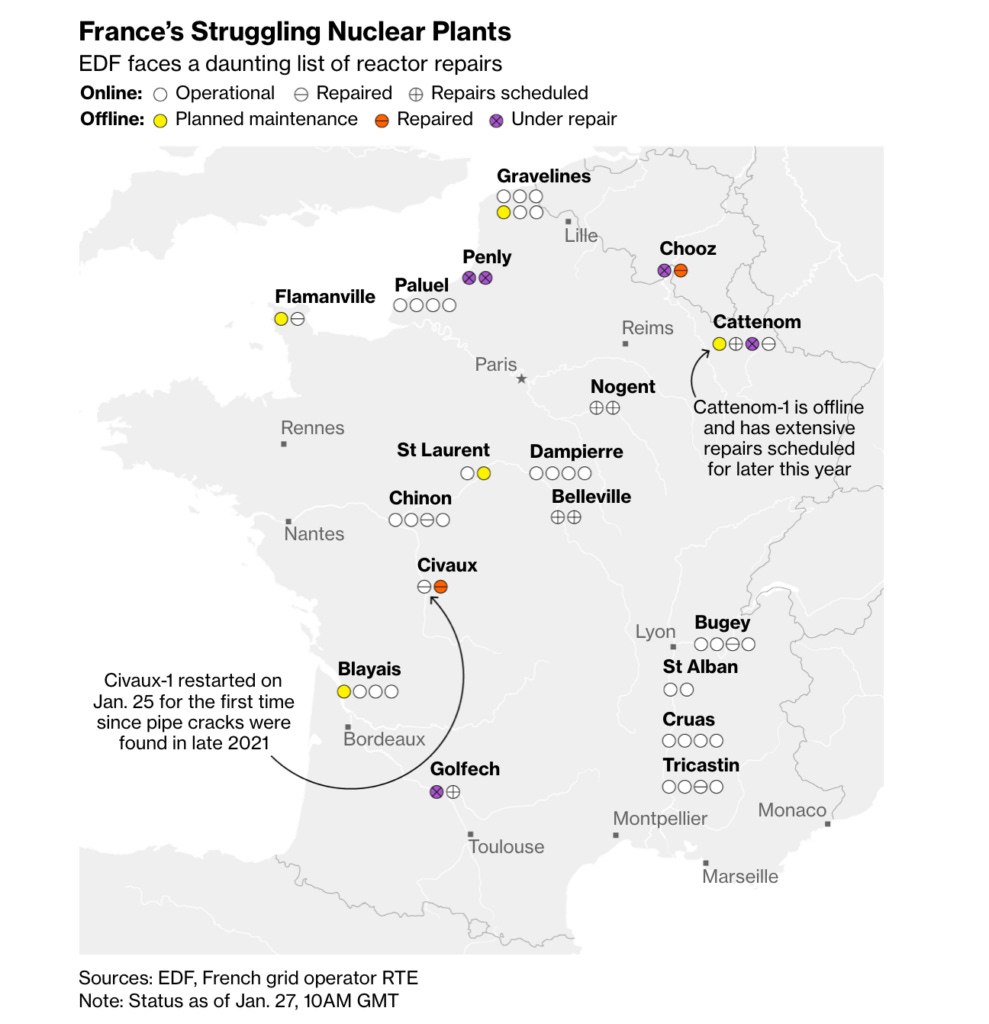
Fifteen nuclear reactors that need rebuilding after war damage and Russian occupation. France has expertise from seven decades of nuclear operations and fifty-seven functioning reactors. Rebuilding Ukrainian nuclear capacity to French standards creates ten to fifteen gigawatts of carbon-free baseload power at marginal costs of €25-35 per megawatt-hour. This produces electricity at €0.030 per kilowatt-hour versus €0.199 EU average.

Data centers are economically viable at Ukrainian prices, money-losing propositions at German prices.
Ukraine has critical minerals.
Europe’s largest lithium deposits, major titanium reserves, commercially viable manganese and rare earth elements. Not enough to challenge Chinese processing dominance globally, but sufficient to break France’s total import dependency. Right now Europe sources 100% of heavy rare earths from China, 97% of lithium, 86% of cobalt, 96% of magnesium.Ukrainian mineral development doesn’t solve this completely but creates alternatives where none exist.
Ukraine has agriculture.
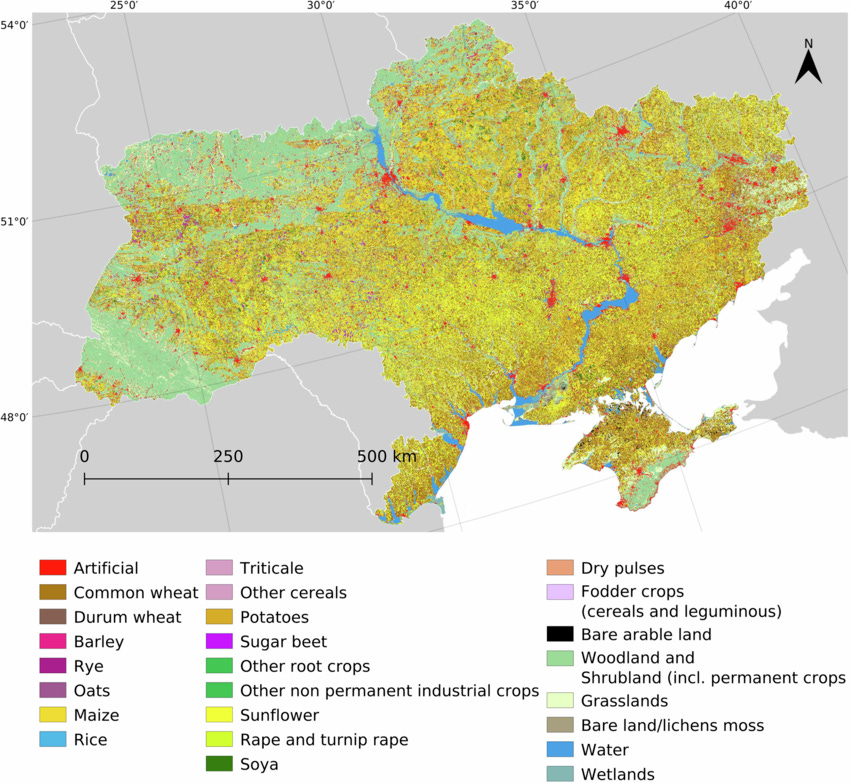
Thirty-two million hectares of arable land versus France’s twenty-eight million. Lower productivity per hectare than Western European standards, but that gap represents opportunity for French agricultural technology and equipment applied at Ukrainian scale. Climate change makes Mediterranean agriculture harder while Ukrainian plains become more productive. The resource balance is shifting.
Ukraine has military capacity.
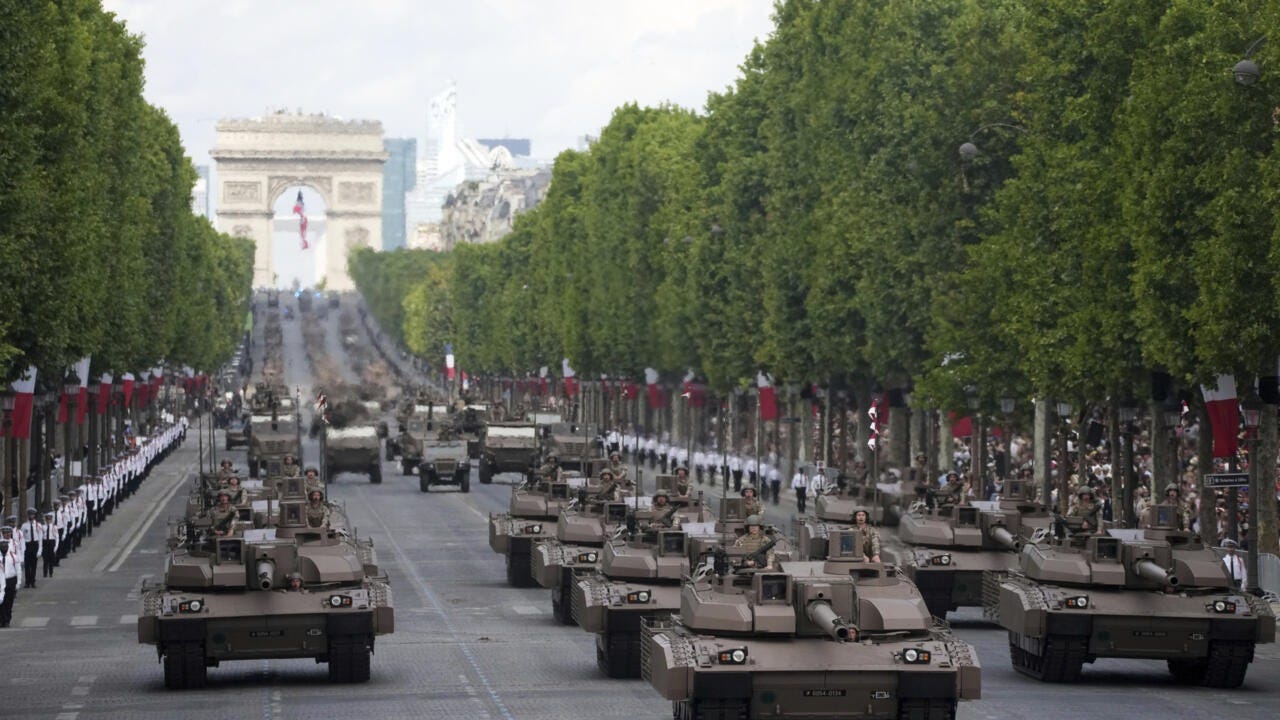
Seven hundred thousand active personnel hardened by high-intensity warfare. France has two hundred thousand active personnel with limited recent combat experience. France has nuclear weapons and force projection capability Ukraine lacks. Ukraine has scale and operational experience France lacks. This creates genuine defense partnership rather than protector-client relationship.

What France provides
Nuclear technology.
France is the only European country that can rebuild Ukrainian nuclear capacity at scale. Germany shut down its reactors. Britain struggles to build even one new plant. Russian technology is politically impossible and technically obsolete. Chinese technology comes with dependencies Ukraine fought a war to avoid. American technology comes bundled with American control. France offers nuclear expertise without superpower strings attached.
Capital access through EU reconstruction funds.
The EU committed €50 billion for Ukraine through 2027, potentially €100-200 billion through 2030. French companies leading reconstruction projects access this capital while maintaining control over project design and implementation. Ukraine gets faster reconstruction than waiting for Brussels committees. France gets infrastructure built to French specifications.
Market access and manufacturing footprint at labor costs enabling competition with Chinese and American producers.
Not relocating French jobs but building new capacity where economics work. The factories employ Ukrainians, export to European markets, generate profits France can tax.

Military protection.
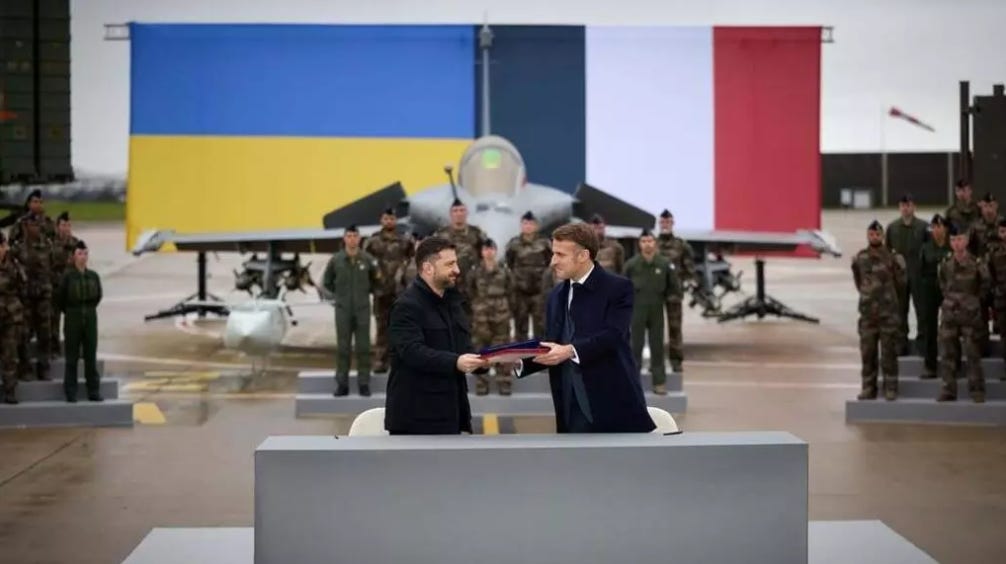
France has 290 nuclear warheads and doctrine of defending French vital interests as France defines them. Ukrainian territory hosting French AI infrastructure, critical mineral processing, agricultural production, and integrated defense manufacturing becomes French vital interest. Not because of NATO or EU mutual defense clauses requiring consensus France can’t guarantee. Because France decides that infrastructure on Ukrainian soil constitutes something France will defend with nuclear weapons if necessary.
This is how deterrence works when you mean it. Russia understands this logic perfectly because they practice it in Syria, Kazakhstan, Belarus. What makes nuclear doctrine credible is willingness to defend genuinely vital interests. Those interests are changing whether French politicians admit it or not.

The bilateral structure
Ukraine doesn’t need EU membership for this partnership.
EU accession takes fifteen to twenty years, requires governance reforms Brussels will micromanage, demands agricultural subsidy negotiations and labor law harmonization and regional development balance. The process produces compromises satisfying nobody while subordinating the bilateral relationship to consensus of twenty-seven member states including Hungary, which actively undermines European policy toward Russia.
A bilateral treaty between France and Ukraine negotiates in months and creates enforceable obligations both sides understand clearly. France rebuilds Ukrainian nuclear capacity under long-term power purchase agreements at specified prices. France deploys data centers on Ukrainian territory consuming that power with Ukrainian workforce at transparent salary scales. France develops Ukrainian critical mineral deposits with processing facilities built in Ukraine under Ukrainian law but French technical standards. France provides work permits for Ukrainian STEM graduates through expanded visa programs.
Ukraine provides territory, labor, resources, and security partnership. Ukrainian workers get employment at wages double local averages but half Western European costs. Ukrainian government gets reconstruction at speed preventing permanent demographic collapse as young workers emigrate. Ukrainian military gets French defense technology, intelligence sharing, and nuclear umbrella that makes Russian aggression against territory hosting French infrastructure equivalent to attacking France.

This is not colonization.
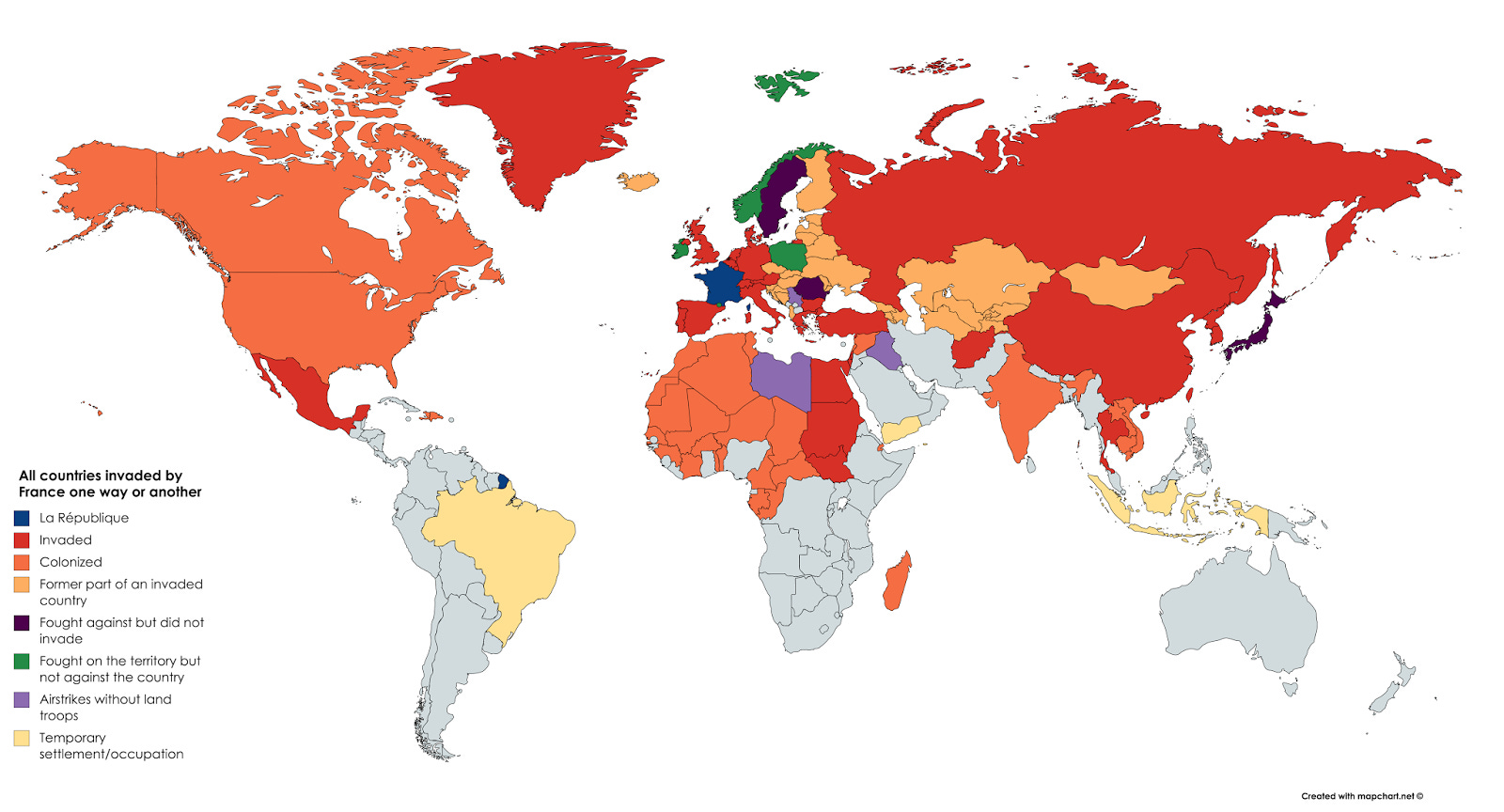
Colonial extraction removes resources for metropolitan benefit while denying local development. This arrangement builds processing facilities in Ukraine, employs Ukrainian workers, transfers technology, creates dependencies running both directions. France cannot permit Russian aggression against Ukrainian infrastructure. Ukraine cannot afford to expel French investment. Mutual dependence creates partnership that isn’t equal but is mutual.

The stakes / Reality check
Four scenarios exist and one has to happen.
First scenario is do nothing.
Continue current European coordination producing subscale investments and regulatory frameworks nobody follows. Pension crisis grows until benefit cuts and tax increases become unavoidable, triggering social convulsions. AI sovereignty remains fiction. Economic relevance declines steadily. The more likely, because it requires no difficult decisions and offends no powerful constituencies: the path of least resistance.
Second scenario is complete French autonomy.
Build everything domestically regardless of cost. This requires €1.2-1.5 trillion over fifteen years that fiscal constraints make impossible. Closed market, French buying only French / EU goods (bye bye, iPhones and soy sauce). Realistically, impossible because people aren’t ready for these kinds of sacrifices, and the money doesn’t exist and attempting it would accelerate the fiscal crisis it’s meant to solve.
Third scenario is genuine European collaboration.
Member states pool resources and coordinate investment at scale. This requires political consensus that died in 2024 elections and won’t resurrect while Germany maintains Chinese dependencies, Netherlands protects port interests, Hungary obstructs anything requiring unity, and every member state pursues narrow advantage over collective benefit.
Fourth scenario is our thought exercise: a bilateral Franco-Ukrainian partnership based on transparent exchange of capabilities.
The economics could really work, but it requires the French establishment to admit European frameworks can’t deliver what France needs (nor France by its lonesome), Ukrainian leadership to accept partnership offering rapid reconstruction over waiting for Brussels, and both countries to forge arrangement-based on survival rather than values alignment.
The window is narrow (this is me being dramatic).
By 2026 path dependencies lock in: American tech companies will have signed twenty-year power purchase agreements for nuclear capacity, Chinese companies will likely have expanded into Ukrainian reconstruction if Europeans don’t. The brain drain will have reached irreversibility.

There is no good option here.
There’s what France can afford, what Ukraine needs, and what both can build together that neither achieves separately when institutional frameworks designed for prosperity management fail under pressure of survival threats. Not salvation: arithmetic of what remains possible when comfortable fictions no longer work.
The ecological transition requires money France doesn’t have, the social model requires money France won’t have when AI displaces knowledge workers, the pension obligations require productivity growth that flows to American companies, not French workers. France can fight for independent capability or accept vassal status. The partnership with Ukraine isn’t ideal: it’s what fighting looks like when you’re serious about it instead of pretending European solidarity will somehow materialize to save you.