



AI key takeaways
Language has historically served as our primary proof of individual identity and human consciousness, acting as a window into the self.
Unlike previous tools that automated labor, AI targets the creative core of writing, replacing the unique voice that signals a thinking human being is present.
The widespread use of AI creates a “smoothing machine” effect, which homogenizes language and limits the diversity of expression, similar to algorithmic bubbles in social media.
Because AI-generated text is now common, people are using intentional flaws like typos or messy sentence structures as a desperate signal to prove their humanity.
We are currently stuck in a difficult transition, watching an old social signal of authenticity break down before we have established a new standard to verify human origin.

Index
The role of language
A history of outsourcing our thoughts
Somehow for language, it’s suddenly unacceptable
The smoothing machine
We yearn for it, but we are ashamed to admit it
Scribo, ergo sum.

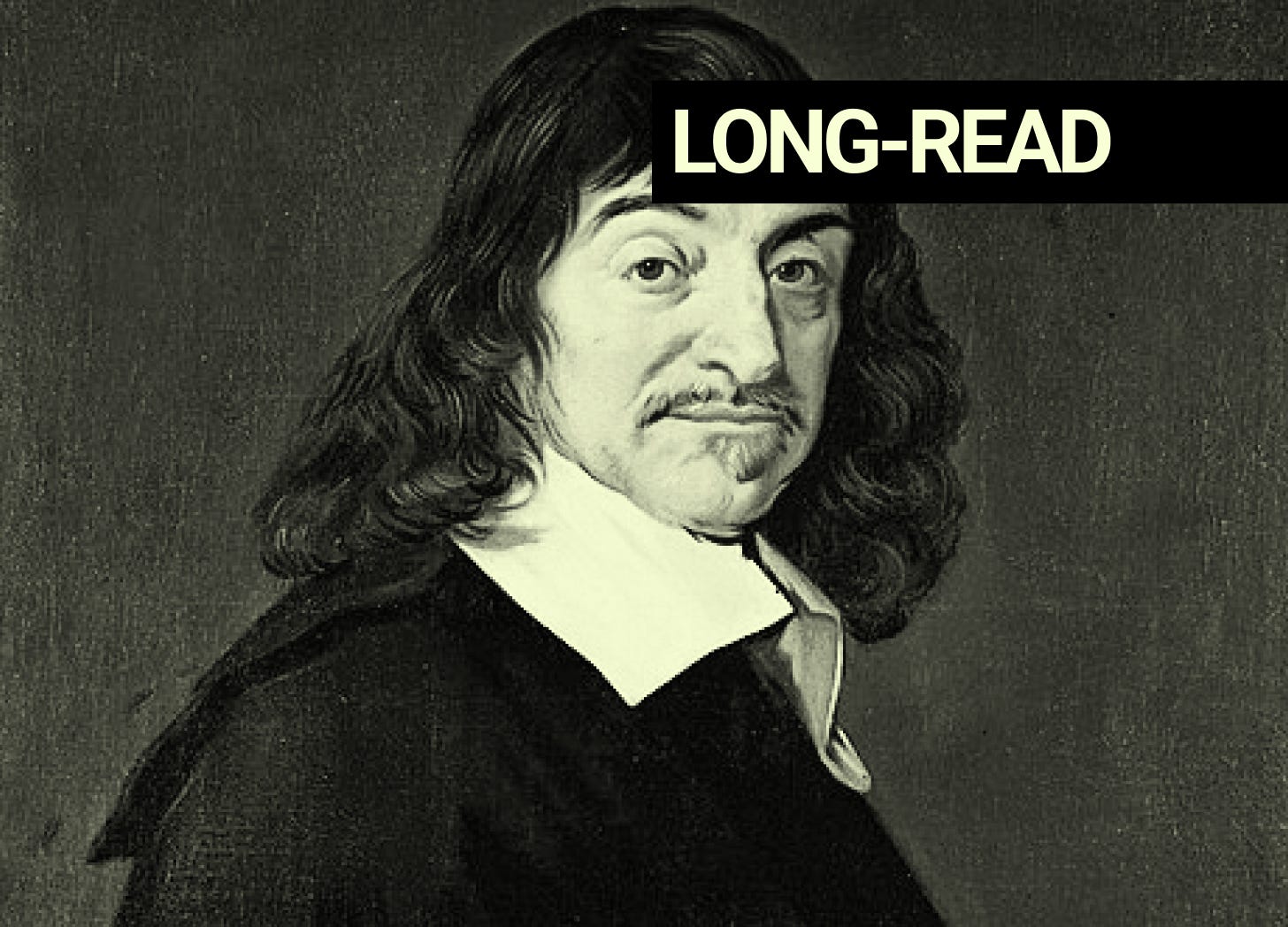
“I think, therefore I am.” (Cogito, ergo sum) — René Descartes, Discourse on the Method (1637) / Principles of Philosophy (1644)
Searching for the one thing he could not doubt, Descartes did not say '“I’ look, therefore I am”. He did not say “I build, therefore I am”. He said “I think, therefore I am”.
For most of human history, the external proof of that thinking was language. The unique, messy, and highly personal way you put a sentence together was the only window anyone had into the fact that someone was home. That they were an individual. That they were themselves.
Then, came AI models.

The role of language
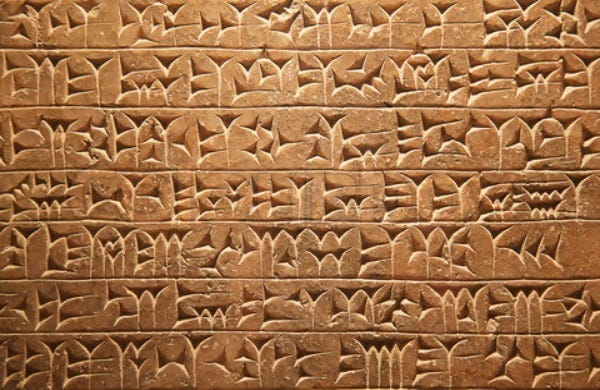
“More than any other trait, language defines us as human. We propose that language may have triggered the widespread appearance of modern human behavior approximately 100,000 years ago.”
— Frontiers in Psychology (2025) — frontiersin.org
In anthropology, language is one of the primary markers of civilization. The capacity for symbolic language is what anthropologists use to distinguish behaviorally modern humans from earlier hominids. No complex society has been documented without language. It is foundational in the literal sense: it comes before the other structures, not after (ritual, trade, collective memory, law, myth).
In linguistics itself the most famous and contested version is the Sapir-Whorf hypothesis: the idea that the language you speak shapes the thoughts you are capable of having.
In philosophy of mind there is a whole tradition, from Wittgenstein onward, built on the idea that the limits of your language are the limits of your world. Structurally. What cannot be said cannot be fully thought, shared, or made real.
“Language is the foundation of civilization: the matrix from which society, morality, and meaning arise. Before we built cities, we built sentences. Before there were laws, there were words.”
— Boris Kriger, Language as the Basis of Civilization, Medium (2025) — medium.com
Language has never been just a tool for sharing information. Linguists and cognitive scientists have known for a long time that writing is the actual process of thinking in action. Putting words on a page forces your brain to do some heavy lifting: you clarify your ideas, check if they make sense, and find the blank spots you didn’t know were there. Writing and thinking happen simultaneously as two parts of a single process.
Your voice on the page is psychological proof rather than a design choice. Your idiolect. The way you open a paragraph, the rhythm of your sentences, or the unique metaphor you choose instead of a cliché form a unique mental fingerprint. They show a real mind working through a specific problem in a specific moment. They are the ultimate proof that a human being was present.
This explains why your internal monologue is so important to how psychologists and philosophers understand identity. We use words to build our own stories long before we ever share them with the outside world. The narrative of the self is built privately, word by word.
“The limits of my language mean the limits of my world.”
— Ludwig Wittgenstein, Tractatus Logico-Philosophicus (1922, proposition 5.6) — americanart.si.edu

A history of outsourcing our thoughts
Every generation invents a new tool and panics that it will kill real thinking. Eventually, we just expand our definition of what thinking means and move on.
The printing press spread ideas everywhere without replacing human brains. SparkNotes let students skip reading the book, but left the actual essay writing and final expression to the student. Even summaries (which can be traced all the way back to study guides in China’s Tang Dynasty) only changed how we took information in. What we put out was still up to us. Calculators took over math equations, spell-check took over proofreading, and Google took over memorization.
“For decades, people have been teaching students to write like machines.”
— Beth McMurtrie, Using AI Without (Really) Cheating, The Chronicle of Higher Education (December 2025) — chronicle.com
Historically, tools always removed a specific chore or burden while leaving the creative core of who you are completely alone. The moments where your inner thoughts turned into outer expressions remained untouched.
AI changes everything by targeting the output instead of the input. It replaces the voice rather than the research.
Using AI to draft an email, an essay, or a work pitch abdicates something far deeper than data retrieval: you hand over the main way other people recognize you as a thinking human being. You skip the very process that helps you realize it yourself.

Somehow for language, it’s suddenly unacceptable
Nobody is looking at a poster created with Photoshop and crying that the designer cut corners. Nobody is browsing an Excel sheet and complaining about the accountant having it easy.
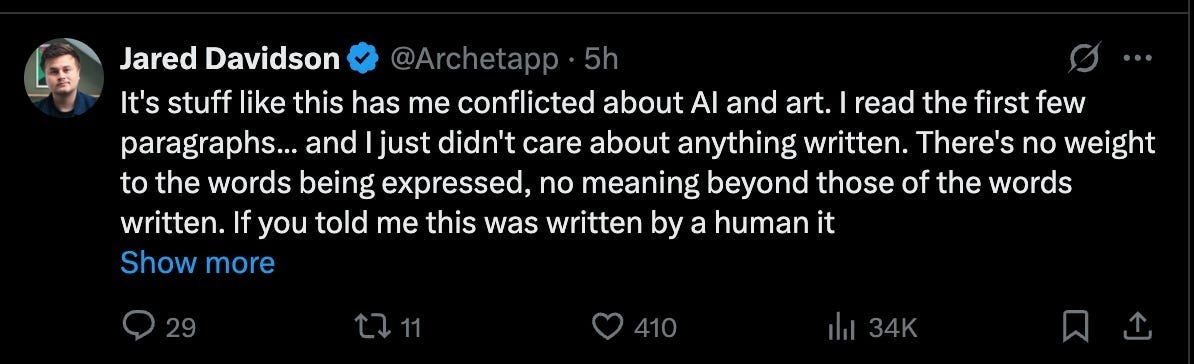
Yet, finding out someone used AI to write something triggers a very specific kind of betrayal: the uncanny feeling of discovering a conversation was completely staged.
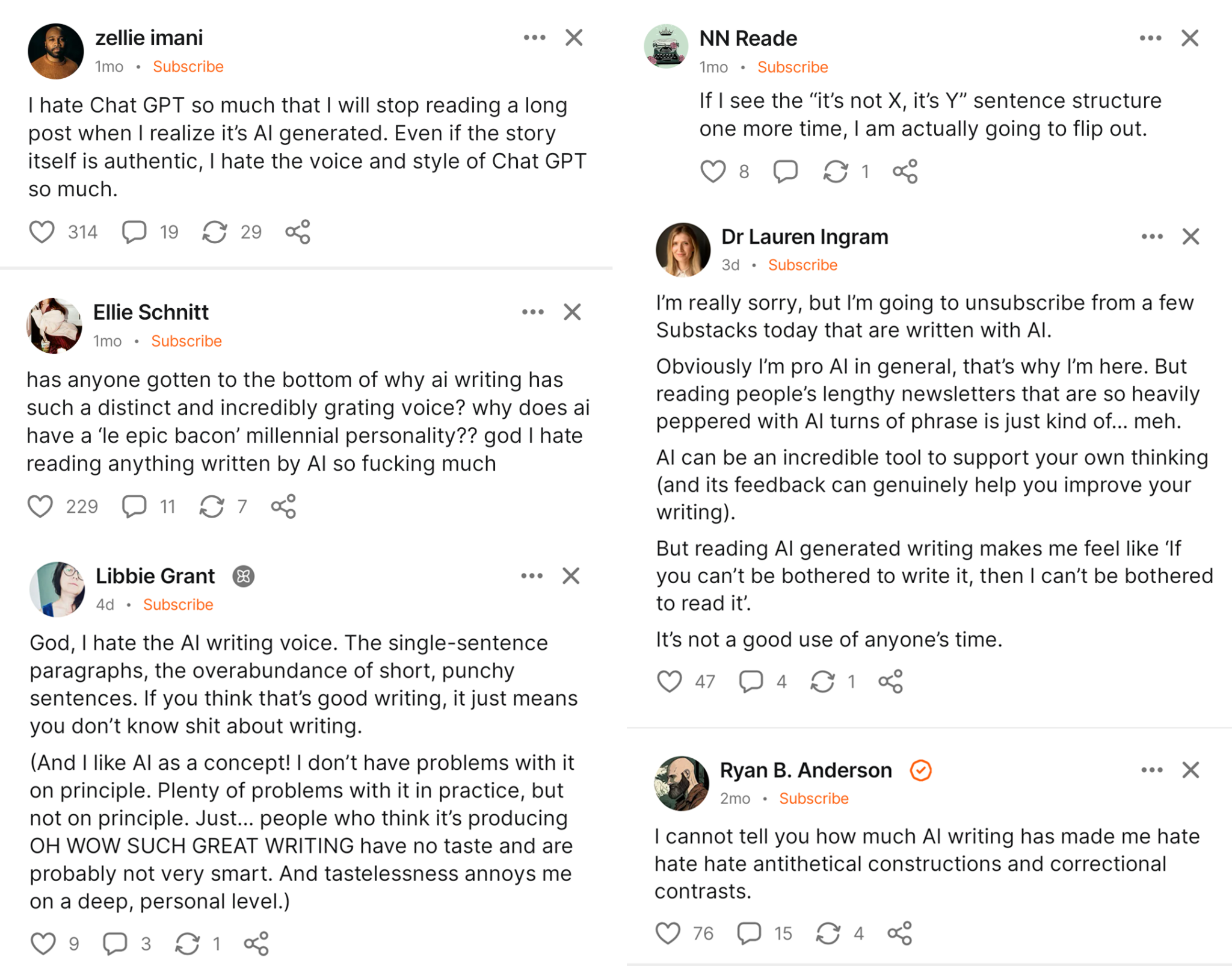
Dismissing it as mere technophobia ignores a historical pattern: previous tools caused panic but were eventually accepted because they left the essential human element intact. Television was supposed to make us passive (when it aired one evening a week, French opposants publicly worried that people wouldn’t go to the theater anymore), but we became critics and creators. Google was supposed to make us passive idiots, but we expanded our knowledge. Cultural panic always works in a loop: we worry intensely until we see the benefits, and the things we feared losing turn out to be much smaller than we thought. Or at least different. Not all plays are good. A lot of movies are chef-d’oeuvres.

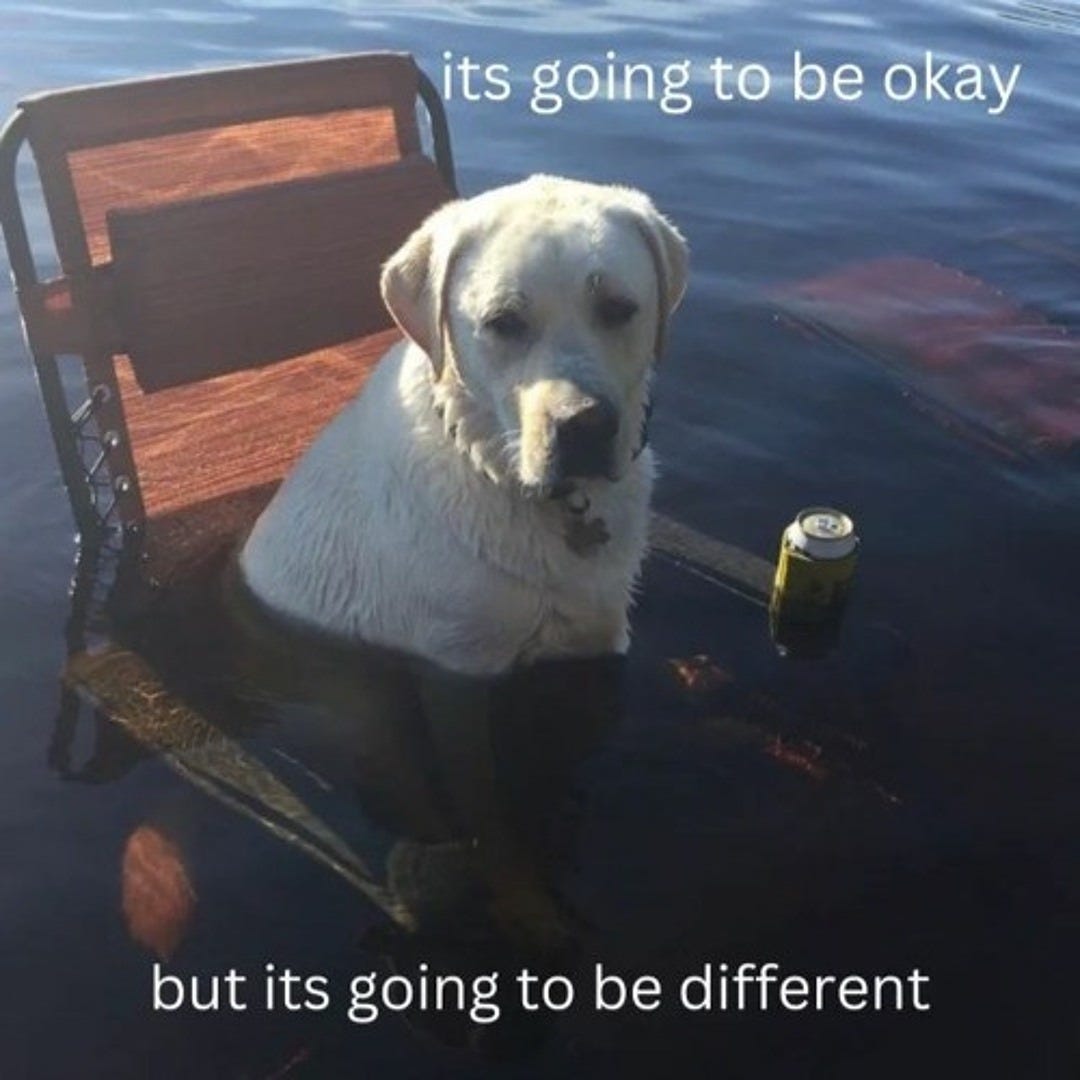
The anxiety around AI writing points toward a much deeper problem: a broken social signal.
That signal is: this came from a person. It is our instinctual assumption that a human mind thinks through the words we are reading.
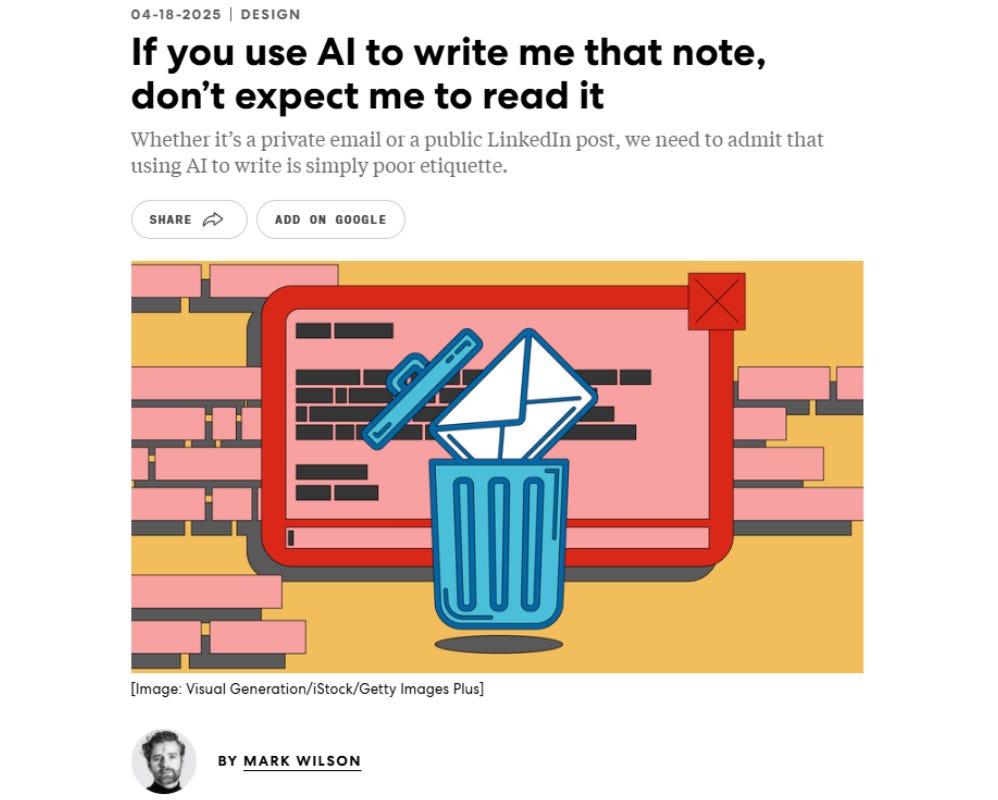
Historically, that signal worked. Cheating, ghostwriting, and propaganda have always existed, (often exclusively at the hands of the wealthy, I must add) but faking language perfectly at a massive scale in everyday conversation was impossible. The literal effort and friction of writing served as proof of origin. If something was written, a person had to write it. That was the invisible ground truth of human connection.
The difference is that it’s so obvious we can spot it miles away. So we are hyper vigilant toward everything we read, and everything we want others to read. It’s a ‘perceived effort’ issue.

This anxiety does not affect everyone equally, and it’s an important clue. The average person cannot reliably spot AI-generated text. However, people who use AI daily do. The real division is between those immersed in AI output every single day and those who are not.
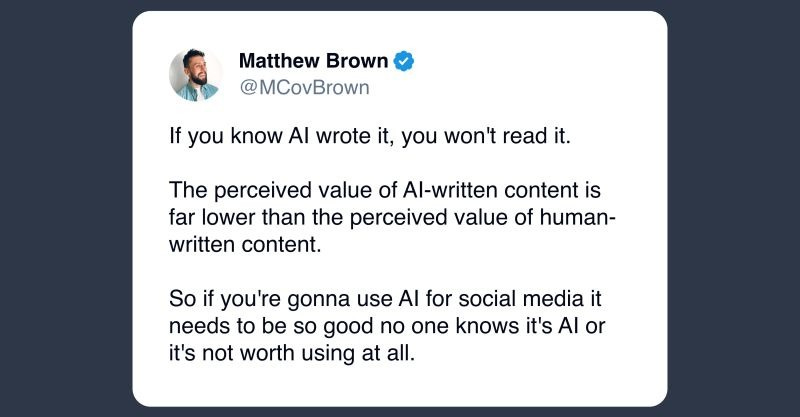
“People who frequently use ChatGPT for writing tasks are accurate and robust detectors of AI-generated text — expert annotators with LLM editing experience achieved an overall true positive rate of 99.3% with a 0% false positive rate.”
— People who frequently use ChatGPT for writing tasks are accurate and robust detectors of AI-generated text, arXiv preprint (2025) — arxiv.org/html/2501.15654v2
Because of this gap, our visual tricks are not meant for a general audience. Writers are trying to prove their humanity to the specific subset of people who already know exactly what an AI-generated room sounds like. We are performing for our peers. For people we are considering reflections of ourselves.
In that way, the signal is deeply tribal. It is a subtle nod that says: “I know what the machine looks like, I know you know too, and I want you to see that I am human.” It’s also very much narcissistic. We are trying to convince ourselves.

The smoothing machine
When billions of people route their writing through the same small handful of AI models, everyone starts drawing from the same pool of words and patterns. It filters what makes it onto the page. Private thoughts stay yours. The variety of what we say out loud starts to shrink.
We usually worry about AI in terms of laziness or cheating.
It’s fair to ask ourselves, why is it considered more problematic than styles in writings or movements in art?
“Variations between AI-generated and human-authored texts are phonological, syntactic, and morphological. AI-generated texts exhibit distinct readability characteristics, lexical choices, syntactic patterns, and semantic features -- pointing to an emerging stylometric register specific to machine-generated writing.”
— Stylometric Analysis of AI-Generated Texts: A Comparative Study of ChatGPT and DeepSeek, Cogent Social Sciences, Taylor & Francis (September 2025)
Researchers recently compared this to “Newspeak,” the controlled language in George Orwell’s Nineteen Eighty-Four. The parallel has been overused since the rise of AI. But. Orwell said: you don’t have to ban a thought if you can just remove the words needed to express it. AI doesn’t ban anything. It is a constraint. It looks for the common ground, pulling everyone toward a smooth, standardized way of writing because it is the path of least resistance. A safe, comfortable, beautiful homogenization.
Over time, that pull changes how everyone talks.
We already know how this kind of filtering works online. Social media algorithms narrowed our politics not by censoring disagreement, but by making it too easy to stay inside our own bubbles. Everyone is not suddenly thinking the same; but we rarely encounter anything genuinely different. Applying that same smoothing machine to language itself is completely new territory, but it’s not a far one. Just too new for us to be comfortable. Yet.

We yearn for it, but we are ashamed to admit it
There is a huge difference between looking alike and thinking alike. Between writing alike and appearing to think alike.
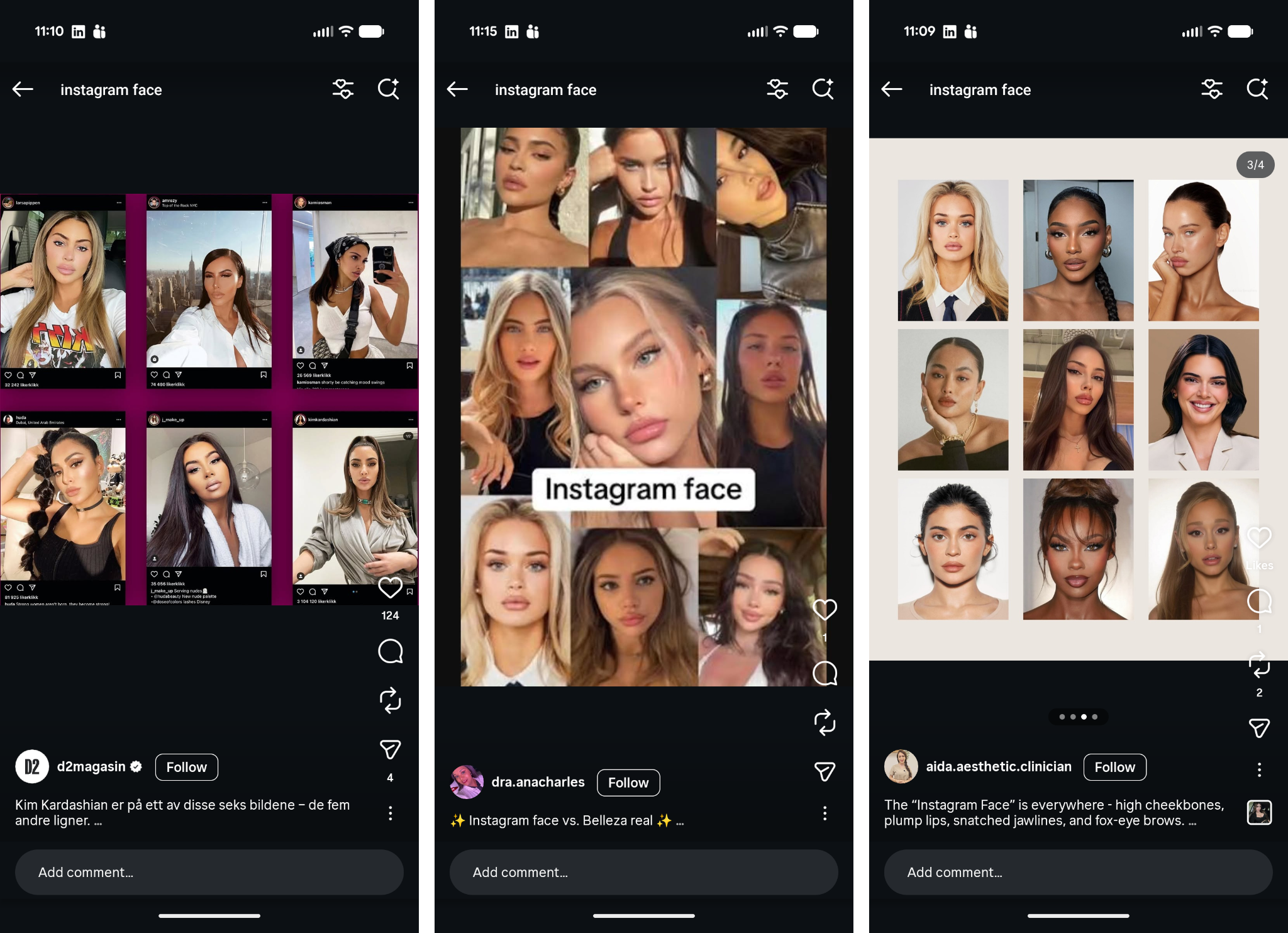
We have mostly made peace with things looking the same on the surface. In our globalized world, we see the same stores, the same cosmetic surgeries, the same corporate logos, and the same Instagram filters everywhere. We might complain about it, but we tolerate it. No, we yearn for it. Even on vacation, we expect our Starbucks coffee. We pay a premium for our distressed jeans.
And still, deep down, we understand that the surface and the interior are separate. You can wear the exact same jeans as everyone else and still be a completely unique person underneath them. You pick the jeans. It was an intentional choice, not the default output.
But when our words become identical, that logic breaks. If everyone uses the same AI model, we end up with the same tone, the same sentence structure, and the same indistinguishable voice. What is left to show who we are on the inside? Where does a unique person actually live, if not in their language?

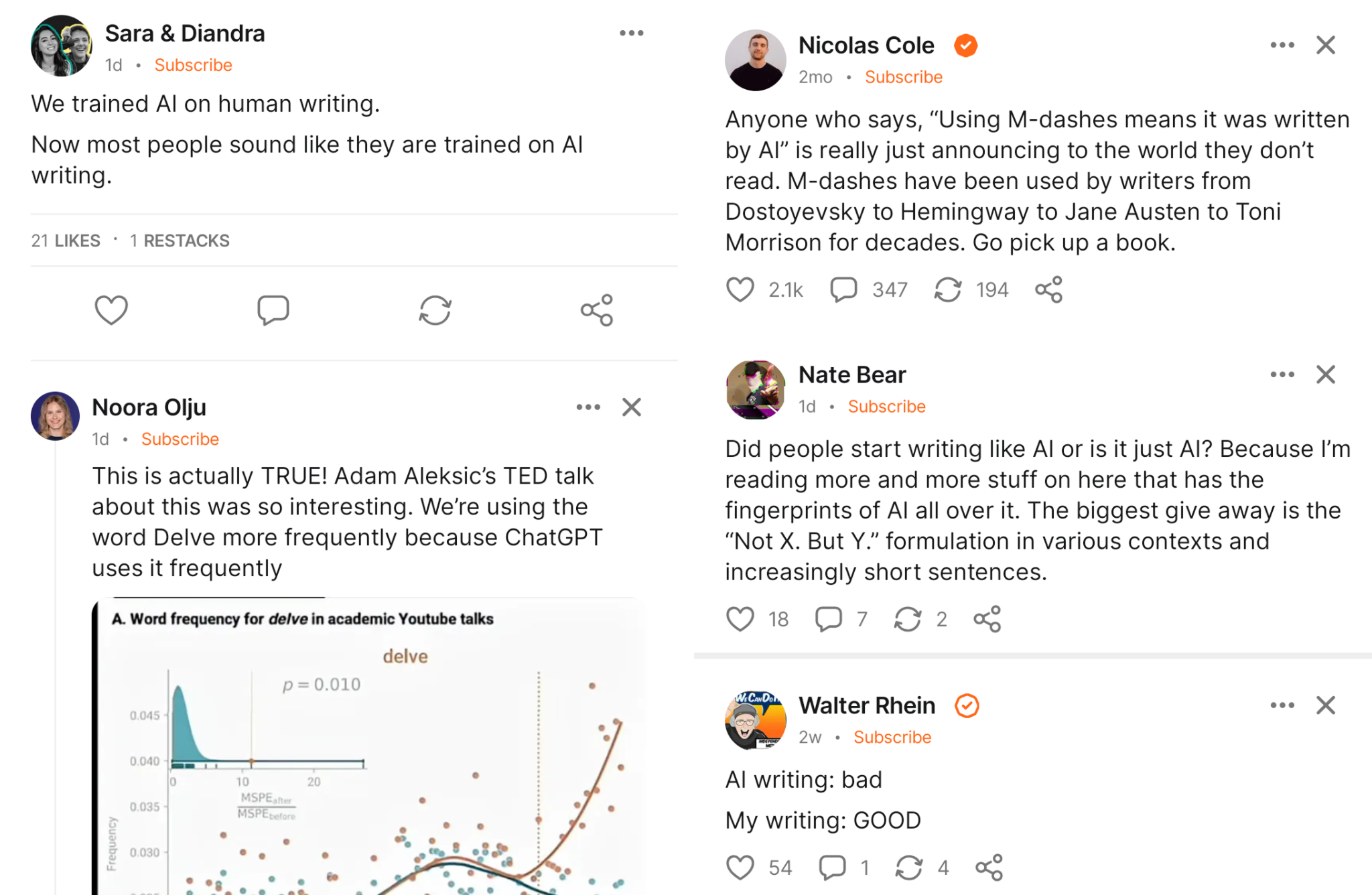
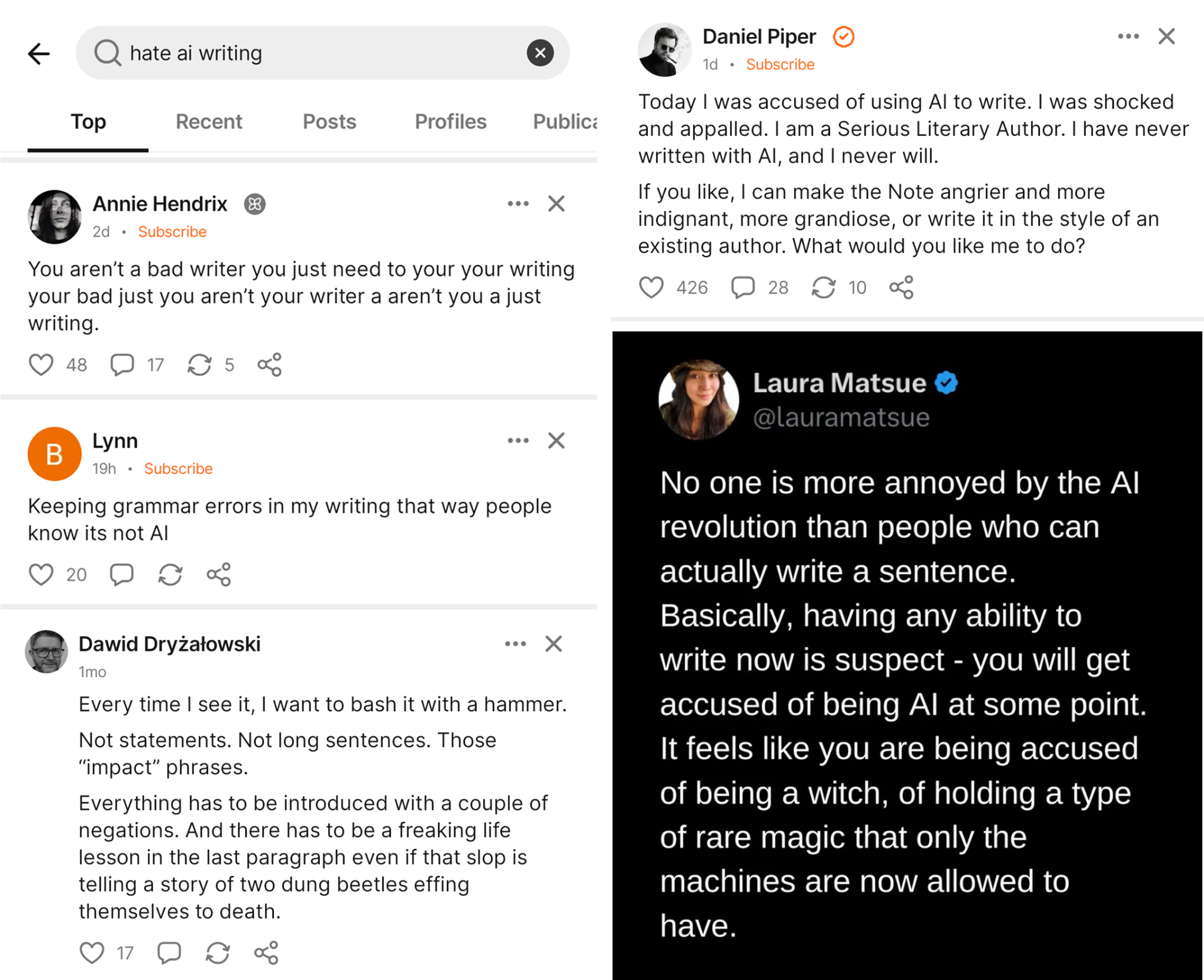
So people have started using intentional typos. It is a clumsy, instinctive way of shouting: “I am still in here”. A double hyphen, a weird tangent, or a messy, unfinished thought serves as proof of human life. You leave it in because fixing it would make it look like a machine wrote it. And you want them to know you wrote it.
The writers are creating a doubt and if we are being honest with ourselves, it’s an hypocritical mix of internalized shame (“I know it isn’t seen as legitimate, and I agree it isn’t so I must hide it”) and proactive defensive signaling (“you can’t prove I used AI, because how imperfect it is”).

Scribo, ergo sum.
When language stops being reliable proof of a human mind, when sentences exist without a thinker and voices exist without a person, the foundation of our entire society starts to wobble.
Think about how much we rely on the invisible rule that writing reflects an actual inner experience, it is everywhere: in academic research that proves how someone works, in an interview answer that reveals how someone thinks.
In a love letter.

Right now, we have nothing to replace that rule. We are stuck in the gap between an old social signal that is breaking down and a new one that hasn’t been invented yet. In that space, people are scrambling to patch things up. We use intentional typos, we write disclaimers, and we slap “human-made” stamps on everyday writing that never used to need a label.
It makes sense. It’s human. Existential. But this can’t solve the core dilemma: what happens to us when we can no longer use language to prove we exist?
NA: AI-assisted tools were used for transcription, reference formatting, and language editing. All intellectual content and conclusions remain solely the author’s.
Anna this was such a well-thought out and researched piece! It took me forever to read it because I kept following all the hyperlinks and going down those rabbitholes. I have always felt that the type of English language we used even before AI was inadequate to properly express ourselves, and now AI is making that worse. The entire phenomenon is really mind-boggling and I appreciate you taking the time to tie it all together in such a artful way.