



AI Key takeaways
AI didn’t ruin the uniqueness of humans. We have been trying to engineer humanity out of business for over a century.
Homogenization is the historical business logic of scale. The average is safe, and the average is what large language models are mathematically optimized to produce.
Production is not the metric of value anymore. Technicity and reliability have decoupled. When infinite, adequate content is free, trust becomes the new scarcity.
The real value of a human was never production, but having skin in the game.
No longer about who can make the thing, but who can be trusted to judge it. Intentionality is the only plus value.


Index
AI is a symptom, not the cause
The decoupling of technicity and credibility
If production is no longer the bottleneck, what are we even paying people for?
Intentionality as the only plus value
We have spent the last hundred years engineering humanity out of business.
It’s wrong to believe that AI has suddenly arrived to steal our souls and ruin the uniqueness of human work. We have been trying to achieve this exact outcome since the Industrial Revolution. We decided a long time ago that efficiency meant less humanity. Human processes were inherently wasteful because they were deeply human: unpredictable, uneven, and infuriatingly inconsistent.
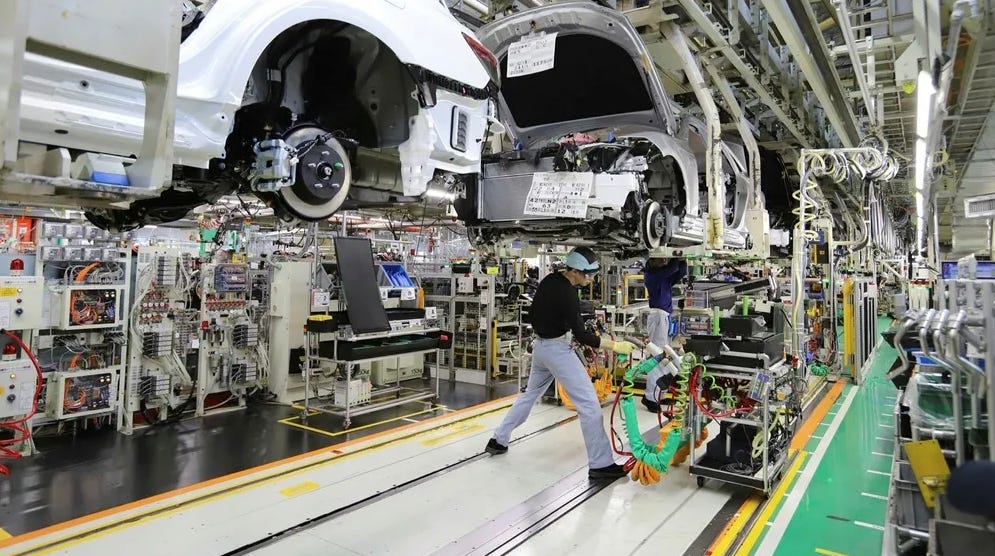
Look at the modern corporate structure: certifications, operational standards, and compliance frameworks are not neutral administrative tools, but a sprawling philosophical project. The goal, for over a century, has been to discipline human variability into something predictable, repeatable, and legible. We wanted flawless machines long before we had the silicon to build them. AI is the logical endpoint of our historical trajectory.
AI is a symptom, not the cause
If we want to understand the current AI landscape, we have to look at the broader economic tendency toward the common denominator.
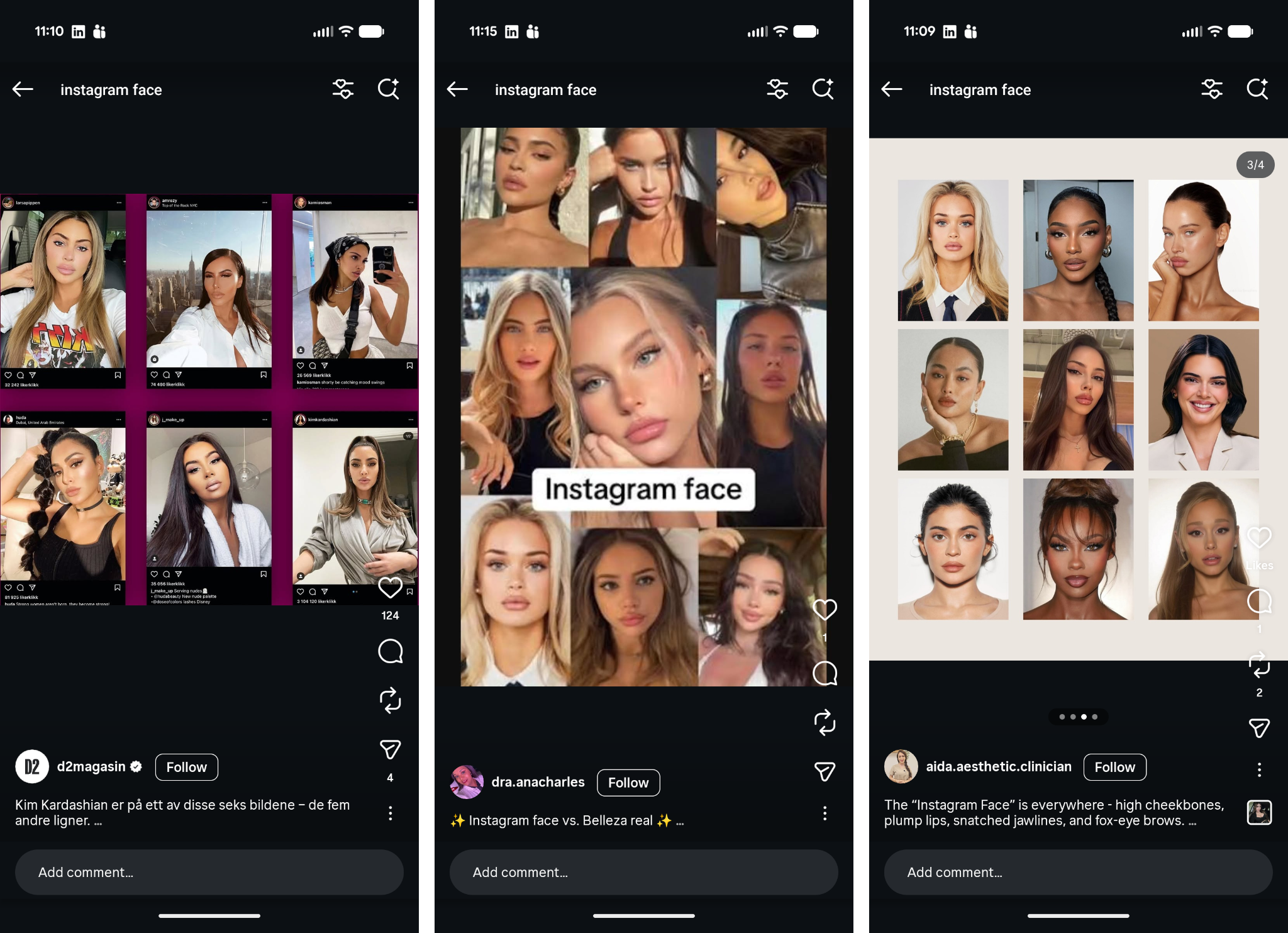
Walk into any major city in the world. Every town center has the same Zara, the same H&M, the same glass-facade coffee shops serving the same flat whites. Open your phone. Look at the Instagram face: ethnically ambiguous, heavily filtered, mathematically optimized. Beauty as a baseline.
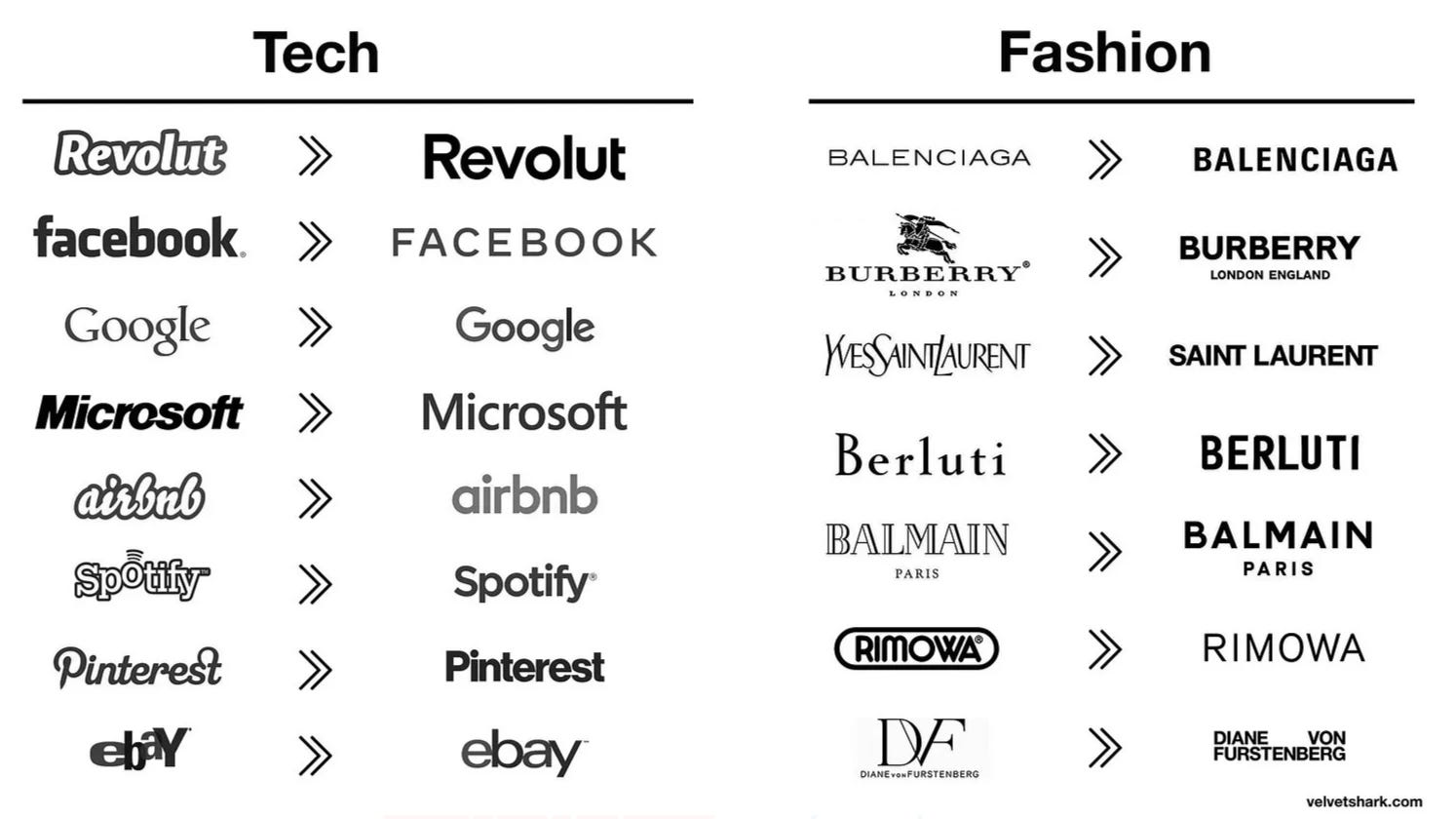
Homogenization is our foundational business logic. Why? Because the average is safe. The average offends no one, and the average scales without friction.
If you want to sell to a billion people, you cannot be polarizing. You must be acceptable. Large language models didn’t create this reality. They inherited it, and they accelerated it to the speed of light.
An LLM learns by absorbing what exists, internalizing patterns, and producing something informed by that absorption. But unlike a human, it is not striving for excellence; it is calculating probability. It is optimized for fluency, not accuracy. They are golems, not calculators.
We are already starting to see the cultural gag reflex. When younger generations use “it’s AI” as slang for something false, a lie, they are pointing a mirror at this exact distrust. Alexis de Tocqueville warned us about enforced mediocrity centuries ago, observing that democratic capitalism would eventually pull the extremes toward the middle. Now, that mediocrity is visible everywhere. Adequate has become indistinguishable from excellent, because adequate is all we ever see.
The decoupling of technicity and credibility
We are lying to ourselves if we think pure production is still the metric of professional value.
The crisis we face now is that technicity and reliability have completely separated. We have ushered in an era of absolute abundance, but we are entirely without trust.
We can no longer easily tell 60% quality from 100% quality because the veneer of professionalism is applied instantly by the machine. Grammatical perfection and structural fluency used to be proxies for deep thought. Now, they are default settings. The standard became the ceiling.
And so, we stopped trusting the content, and we started trusting the source.
It’s a deeply pre-modern instinct. Nothing new here.
When infinite, adequate content is completely free, trust is what scarcity looks like now.
If production is no longer the bottleneck, what are we even paying people for?
We don’t know what we are paying people for anymore.
The human was never valuable simply because they produced. Production got cheap a long time ago. They were valuable because they could be wrong and face the consequences.
A golem cannot be embarrassed. It cannot lose a reputation. Because it doesn’t have skin in the game. It doesn’t have skin at all. That is the structural limit of the machine: its essential limit.
This redefines everything: what seniority means, what expertise is worth, what a professional is actually for.
The move is simple but profound: human as producer becomes human as judgment. The human is the critical thinker. The human is the one making intentional choices, not the expected ones.
Intentionality as the only plus value
In a world drowning in frictionless averageness, intentionality is the only plus value left.
Removing the human was a choice dressed up as progress, driven by a desire for friction-free scale. But reinserting the human is not a retreat into nostalgia. That’s the recognition that what we actually need from truth: the judgment, the accountability, the stakes, that were never separable from the human in the first place.
The human, because it can make a deliberate choice about what to make, how to make it, and, crucially, what to refuse to make, is exercising something no average can replicate.
If you want to read about Trust and AI, I encourage you to check my article The trust paradox.
In your earlier piece you talked about the “common denominator.” It feels like voice — the human capacity to respond — is that denominator across both essays.